

Cold outreach didn’t just get harder — it got structurally different. LinkedIn replaced its entire ranking system, response rates bifurcated dramatically by approach, and the people who didn’t notice are still sending the same messages they wrote in 2023. Here’s what the data shows, and what the new playbook actually looks like.
Something broke on LinkedIn in late 2024, and most people who rely on it for business development are still trying to diagnose the problem by reading 2022 blog posts. This article is about what actually changed, what the numbers say now, and how a well-structured DM sequence still converts — not despite the algorithm shift, but because of it.
Let me be direct about what this piece is and isn’t. It’s not a template dump. It’s not a collection of “proven scripts that close 7-figure deals.” Those posts exist, they’re easy to find, and they don’t work the way they claim to. What I’ve put together here is an honest accounting of the current landscape — the real benchmarks, the mechanics behind why certain messages land and others don’t, and the specific structural changes to LinkedIn’s algorithm that rewired everything in late 2025.
I’ll also share a sequence framework that does convert — with enough specificity to actually be useful, not just inspirational.
1. What Actually Changed (And Why Most People Missed It)
In late 2024, LinkedIn quietly replaced its content ranking infrastructure with an AI system internally called 360Brew. The rollout was gradual through early 2025, but by mid-2025 its effects were unmistakable: posts that used to get 10,000 views were getting 1,800. Organic reach on company pages dropped by 60–66% compared to 2024 levels. And the old tricks — “comment YES if you agree,” hook-bait openers, heavy engagement pods — started getting actively suppressed rather than amplified.
For DM outreach, the 360Brew shift matters for a less obvious reason than most people think. Yes, the feed algorithm changed. But the bigger shift was what it revealed about how LinkedIn now values engagement. Depth Score — a new ranking signal measuring dwell time, comment depth, saves, and private shares — replaced the old click-and-reaction metric. This is LinkedIn’s version of what YouTube did with watch time: optimizing for actual attention rather than reflexive engagement.
The implication for DMs is this: if someone already reads your posts carefully, saves them, and occasionally comments, they are not a cold contact when you reach out. They’re a warm one. And the difference in response rates between warm and cold contacts in 2026 isn’t marginal — it’s foundational.
The 360Brew algorithm shift didn’t just change what content gets distributed — it changed the conditions under which a DM is received. If your name is already familiar from the feed, your message carries a completely different social signal. This is the core dynamic to engineer.
2. The Numbers Don’t Lie — But They Need Context
Here’s where things get complicated. You’ll see wildly different response rate claims depending on who’s reporting them and how they’re measuring. A 2026 benchmark from Cclarity, based on 7,793 actual LinkedIn engagements across 50+ B2B founders, tells a different story than the numbers pushed by automation software vendors.
| Outreach Type | Avg. Response Rate | Meeting Conversion | Risk Level |
|---|---|---|---|
| Warm DMs (person knows your content) | 15–25% | 30–50% of replies | Low |
| Cold DMs (no prior interaction) | 5–10% | 10–20% of replies | Medium |
| Comment-first → DM sequence | 22–34% | 35–55% of replies | Low |
| InMail (personalized) | 10–15% | 15–30% of replies | Low |
| Automated mass DMs | ~3–5% | Low | High (ban risk) |
| First-degree Messenger campaigns | 16–17% | 20–35% of replies | Low |
Sources: Cclarity 2026 Benchmark Data, EngageKit 2025/2026, Cleverly 2026 Benchmarks
One number that almost never makes it into blog posts: Cclarity’s analysis found that only 2.9% of people who engage with your LinkedIn posts are actually your ideal customer profile. That’s not pessimism — that’s useful. It means that 100 post reactions don’t equal 100 warm prospects. It means you have to be selective, and volume is not the game.
The top performers — the ones Cleverly categorizes as hitting 30–50% reply rates — aren’t doing outreach at scale. They’re running tightly targeted, manually personalized sequences to lists of 200–500 prospects where they’ve already mapped the trigger points. That’s a different mental model than “blast and hope.”
3. What Broke — The Tactics That Stopped Working
Before getting into what works, it’s worth being specific about what doesn’t, because a lot of people are still running 2022 playbooks with 2026 expectations. The mismatch is painful to watch.
| Tactic | Status in 2026 | Why It Broke |
|---|---|---|
| “I came across your profile…” opener | Dead | Overused to the point of invisibility; signals automation |
| Pitching in the connection note | Dead | Highest decline trigger; no context, no trust |
| Immediate follow-up pitch after acceptance | Dead | “Nice to connect! I help companies like yours…” = instant archive |
| Long, multi-paragraph cold DMs | Dead | Messages under 150 chars get 22% more replies; walls of text get none |
| Automated engagement pods | Penalized | 360Brew detects and suppresses artificial engagement patterns |
| Generic “I can help you grow” offer | Ignored | Zero specificity; reads like every other message in the inbox |
| Connection request without a note (at high ticket) | Risky | Works for volume plays; fails for high-value targeted outreach |
Linkboost’s analysis calls it the “Volume Tax”: high-frequency automated outreach now triggers algorithmic suppression of your organic reach. So you’re not just getting low reply rates — you’re actively damaging your content distribution. The damage compounds.
4. The Inbound-Led Outbound Framework (What Actually Works Now)
The phrase “inbound-led outbound” gets thrown around a lot, and it usually means something vague. Let me make it concrete.
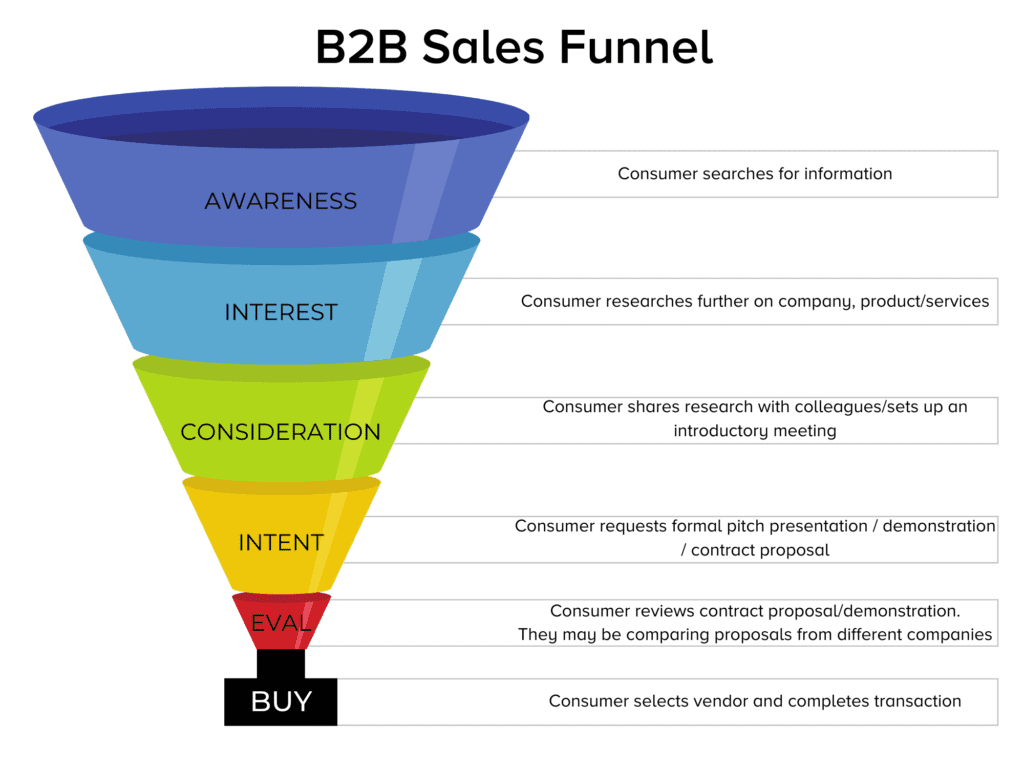
The core logic: you use content to create familiarity before contact. When you finally send a DM, you’re not introducing yourself — you’re continuing a relationship that already exists in the prospect’s peripheral awareness. The message feels different because the context is different.
Here’s how Hyperclapper’s 2026 strategy guide frames the trigger moment: “Hey [Name], I noticed you engaged with my post about [topic] — curious if you’re dealing with [specific problem] at [Company].” That’s not a pitch. That’s an observation and a question. It’s also genuinely personalized because it references something real.
The sequence that consistently converts to retainer-level work in 2026 has three phases, and it’s important to understand why each phase matters before jumping to the scripts.
Phase 1: Build the Familiarity Signal (2–4 weeks before first DM)
This is the part nobody wants to do because it doesn’t feel like “outreach.” But it’s what makes the outreach work. The goal is to appear in the prospect’s notification feed in a non-salesy way at least 3–4 times before you connect.
- Comment meaningfully on 2–3 of their posts (not “Great insight!” — a genuine observation that demonstrates you read it)
- React to content they share from other accounts
- View their profile twice (triggers a notification; do it organically by reading their actual content)
- If they have a newsletter or video series, engage with it
According to data from Konnector.ai’s analysis of thousands of LinkedIn outreach campaigns, comment-first outreach delivers a 2.5× higher connection rate than cold DMs. That stat is doing real work. Before you’ve sent a single message, you’ve already improved your odds by 150%.
Phase 2: The Connection Request (Day 0)
Short. Specific. No pitch. Reference something real — a post they wrote, a role change, a shared connection, or a topic you both work in. The goal is to answer the implicit question every recipient asks: “Why is this person reaching out to me specifically?”
The Growtoro 2026 DM guide is clear: “Pitching in the connection request is the fastest way to get declined.” Use the note to establish context, not to sell.
Phase 3: The Three-Message DM Sequence
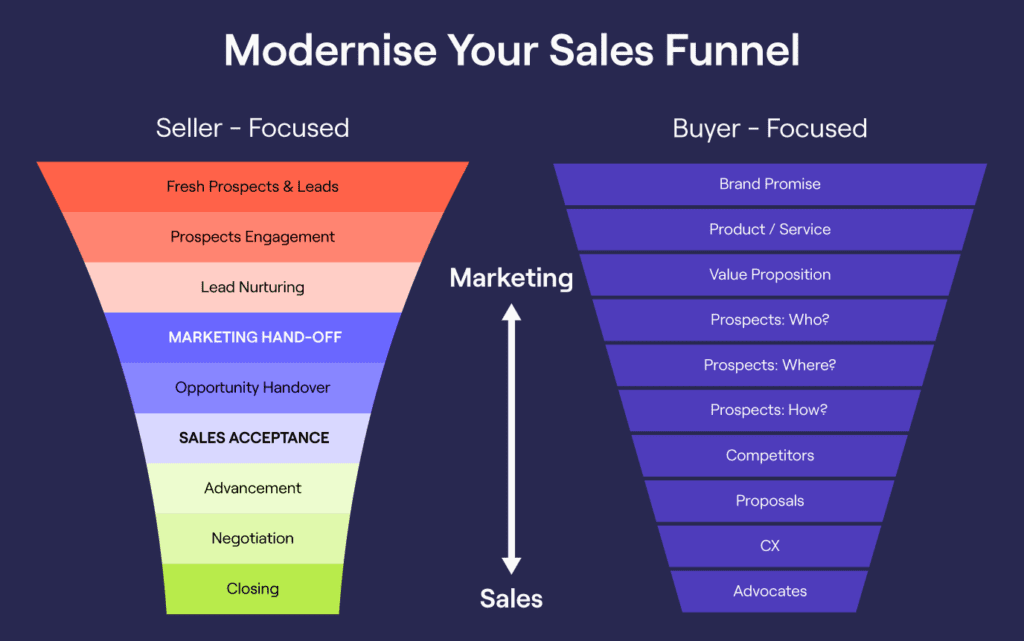
Once connected, the sequence that converts draws heavily from research by CommuniPass’s 2026 coaching funnel analysis: three messages, with only one CTA in the entire sequence. The trust signal is in what you don’t ask for.
The ratio here matters: two messages with zero asks, one message with one ask. CommuniPass’s analysis of failing funnels found the inverse — three messages with CTAs, zero curiosity — and called it “reading like a billboard, converting like a billboard.”
5. The Content That Makes the DM Land
You can’t run the inbound-led outbound framework without a content presence that does the warming work. This doesn’t mean posting every day or becoming a LinkedIn influencer. It means posting consistently enough that your ideal clients see your name before they hear from you.
What the 2026 algorithm rewards, according to Digital Applied’s algorithm analysis:
- Depth Score content: Posts that keep people on the page — substantive text, document carousels that require interaction, native video under 30 seconds
- Saves and private shares over reactions — the algorithm treats saves as a quality signal more heavily than likes
- Topic consistency: Being known for one or two closely related things is now a structural distribution advantage, not just a personal brand preference
- No external links in the post body — posts with external links see a 60% reduction in reach; put links in the first comment if needed
For consultants selling $5K+ retainers, the content strategy is simpler than most people make it: post about the specific problem your retainer solves. Not about productivity hacks, not about your morning routine, not about entrepreneurship generally. The people who need your expertise should read your posts and think “this person understands my exact situation.”
“Being known for one thing is now a structural distribution advantage rather than a personal branding preference. The Interest Graph classifies you through the vocabulary you use and the community of people who engage with you.”
— Melanie Goodman, LinkedIn Algorithm 2026 Analysis, Substack
6. From Discovery Call to Signed Retainer: The Conversion Bridge
A lot of the advice on LinkedIn outreach stops at “book the call.” But the gap between a discovery call and a signed $5K retainer is where most deals actually die — and it’s usually not because the service isn’t good. It’s because the offer structure isn’t clear enough, or the transition feels abrupt.
A few things that consistently reduce this friction:
Lead with a diagnostic, not a proposal
Before presenting a retainer, offer something that proves your thinking. A 45-minute working session, a quick audit document, a one-page situation analysis. When someone has already paid attention to your process — even briefly — the retainer feels like a natural next step rather than a sales pitch.
Name the retainer specifically
Vague offers die. “I offer ongoing consulting services” is a non-starter. “I run a three-month growth retainer for B2B SaaS founders who’ve hit $50K MRR but aren’t sure why their pipeline stalled” is a specific, self-qualifying offer. The right people immediately know if it applies to them.
Give a concrete deliverable in the first 30 days
High-value clients taking on a new consultant are managing risk. They want to know what they’re getting before month one is over. Define it clearly in the proposal: by day 30, you’ll have X, Y, and Z. This reduces the perceived commitment from “open-ended engagement” to “a manageable first milestone.”
Three clients at $3,500–$5,000/month, retained for 12 months, produces $126,000–$180,000 in annual revenue from a minimal portfolio. That’s the math Jamie Brindle laid out on LinkedIn in 2025 — and it holds. Retainer income isn’t built from volume; it’s built from a handful of very right clients and an acquisition process that doesn’t burn you out.
7. A Real Example: From Zero LinkedIn Presence to $195K Q1
Operations Coach Priya: Old Funnel vs. New Playbook
This case is documented in CommuniPass’s 2026 coaching funnel analysis. Priya is an operations and systems coach with 14,000 LinkedIn followers and nine years of consulting experience. In 2024 she ran the standard playbook: three posts per week, discovery calls, $4,500 retainer. The result: $54,000 for the year on 12 clients, with two days per week consumed by sales calls that didn’t close.
In Q4 2025 she rebuilt the funnel: a 10-day paid challenge at $147, the three-message DM sequence, and a high-ticket call only for challenge graduates. The pivot was in the trust architecture — revenue from the challenge itself, plus a clear signal of genuine interest before any sales conversation happened.
What this case illustrates isn’t that you need a paid challenge. It’s that trust-based sequencing fundamentally changes the economics. Priya’s close rate on high-ticket calls went from unclear to 58% (22 of 38 who booked). She closed more in one quarter than in all of 2024 because the people showing up to discovery calls had already demonstrated intent.
8. Personalization at Scale — What That Actually Means in 2026
When you look at the outreach data, one finding stands out consistently: campaigns personalized to ICP pain points got up to 54.7% more replies than generic campaigns. That’s not a marginal improvement; that’s a different category of result.
But “personalization” is one of those words that’s been diluted to meaninglessness. Inserting {first_name} and {company_name} into a template is not personalization. It’s mail merge. The kind of personalization that produces 54.7% lift is:
- Referencing a post they wrote with a specific observation about the content
- Noting a recent company development that’s relevant to the problem you solve
- Acknowledging a role change and asking a question that’s specifically relevant to the new responsibility
- Referencing a shared context — a mutual connection’s recommendation, a conference you both attended, an article you both engaged with
The practical implication: you cannot run this playbook at volume without either spending significant time on each prospect, or using enrichment tools (Clay is the most commonly cited in 2026) that pull in contextual data to help you write specific messages faster. The volume ceiling for manual personalization of this quality is roughly 10–15 meaningful conversations per day. That’s not a lot — but 10–15 genuinely warm, well-researched DMs per day converts far better than 200 generic ones.
One of the clearest findings in the dataset analysis: messages under 150 characters had 22% more replies on average than longer messages. This isn’t a call to strip out all substance — it’s a call to remove everything that isn’t directly serving the recipient’s decision about whether to reply. Every sentence that’s about you rather than them is a friction point.
9. Limitations and When This Doesn’t Work
This is the section that most outreach guides skip, and its absence is part of why so many people try these frameworks and get frustrated. Here’s the honest version:
This framework requires a LinkedIn presence worth warming up to
If you have 200 connections, post once a month, and your profile hasn’t been updated in two years, the inbound-led outbound framework won’t do much. Phase 1 (building familiarity through your content) only works if there’s content to be familiar with. If you’re starting from scratch, expect 60–90 days of consistent posting before the outreach component becomes meaningfully effective.
Low-ICP targeting kills your numbers regardless of message quality
The benchmark data from Cclarity is stark: only 2.9% of people who engage with a typical LinkedIn post are ICP-fit. If you’re targeting broadly and DMing everyone who reacts to your content, you’ll be having a lot of conversations that go nowhere. The quality of your targeting matters as much as the quality of your messaging.
This is a slow funnel for fast revenue needs
If you need a client in two weeks, this isn’t the playbook to follow. The comment-first → connection → 3-message sequence takes 3–6 weeks from first touchpoint to discovery call, at minimum. It’s a sustainable acquisition engine, not an emergency revenue source.
Some industries don’t respond well to LinkedIn outreach at all
SaaS and technology decision-makers have the lowest average reply rates of any vertical — around 4.77% even for well-crafted sequences, according to Cleverly’s 2026 benchmarks. If your ICP is a VP of Engineering at a 500-person SaaS company, LinkedIn DMs are fighting uphill. Recruiting and staffing professionals are far more responsive (18–25%). Know your industry’s baseline before measuring your performance against an average.
10. The 2026 LinkedIn-to-Retainer Checklist
If you want to use LinkedIn as your primary channel for $5K+ retainer acquisition, here’s the honest prerequisite list before you start DMing anyone:
- Profile built for your ICP, not your resume. Your headline and about section should describe the problem you solve, not your job history.
- At least 3 months of consistent, topically focused content. One or two closely related themes, posting 3–4× per week minimum.
- A defined ICP with specific triggers for outreach. Role change, company growth milestone, recent post on a pain-point topic, mutual connection’s recommendation.
- A targeted prospect list of 200–500 accounts — not “anyone who seems relevant.” Use Sales Navigator filters to build this properly.
- The 4-week familiarity sequence completed before sending a connection request to high-priority targets.
- A clear, specific offer — not “consulting” but a named engagement with defined deliverables and a defined outcome.
- A no-pitch discovery call framework. The call should diagnose, not pitch. The retainer offer comes after you’ve confirmed fit.
- A follow-up cadence across channels. LinkedIn DM → email follow-up referencing the LinkedIn interaction → second DM. Multi-touch generates 3.5× more responses than any single channel alone.
11. Quick-Reference Benchmark Sheet
| Metric | Below Average | Average (2026) | Strong Performance | Source |
|---|---|---|---|---|
| Connection acceptance rate | Below 20% | 25–30% | 35–45% | Cleverly 2026 |
| Cold DM reply rate | Below 5% | 5–10% | 15%+ | Cclarity 2026 |
| Warm DM reply rate | Below 10% | 15–25% | 30–50% | Cclarity 2026 |
| Post engagement rate (personal) | Below 1% | 3.85% | 6%+ (carousels) | ConnectSafely 2026 |
| Multi-touch reply lift vs. single channel | — | +250–350% | — | La Growth Machine |
| Comment-first vs. cold connection rate | — | +150% (2.5×) | — | Konnector.ai 2026 |
| Messages needed to close | — | 5+ touchpoints avg. | — | ConnectSafely 2026 |
The Bottom Line
LinkedIn DM outreach to retainer clients in 2026 isn’t a numbers game anymore — not in the way it used to be. The algorithm changes that happened in late 2024 and through 2025 effectively broke the old spray-and-pray model at both the content level and the outreach level. But they didn’t break genuine outreach. If anything, they rewarded it more clearly.
What changed is the infrastructure around the DM. The message itself matters less than what precedes it: the content that builds familiarity, the comments that establish you as someone who actually reads and thinks, the profile that immediately signals you understand the prospect’s problem. Get those right, and the three-message sequence isn’t a trick — it’s a natural extension of a relationship that’s already partially formed.
The consultants closing $5K retainers from LinkedIn in 2026 aren’t doing anything exotic. They’re running smaller, more targeted campaigns. They’re spending more time on fewer conversations. They’re converting at higher rates because the people they’re talking to already have some sense of who they are. That’s the whole playbook. It’s slower to build and harder to automate, which is exactly why it still works.
Explore more strategy resources from CodeTalentHub.io:
- How to Build a B2B Pipeline Without Paid Ads in 2026
- Freelance Retainer Pricing: How to Set Rates That Hold in 2026
- Content-First Consulting: Using Thought Leadership to Pre-Qualify Clients
- The Inbound-Led Outbound Framework: A Practical Implementation Guide
- LinkedIn Profile Optimization for Consultants in 2026: The Auditor’s Checklist
30 Real Python Projects and What They Really Taught Me in 2026
15 Practical Freelance Wins You Can Implement Immediately
Generalist Freelancers Are Losing — Specialists Are Taking Over
Python for Beginners in 2026: The Honest Plan (Final Version)