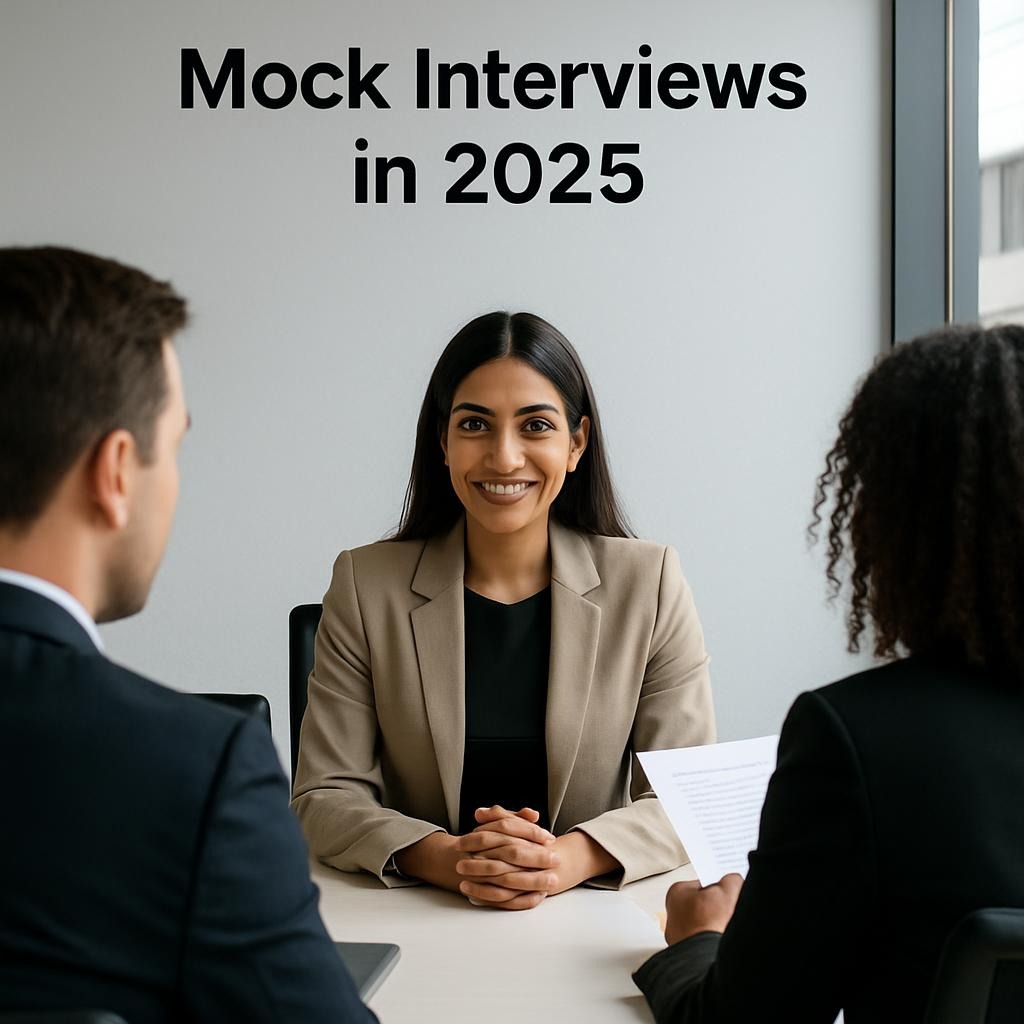

Mock Interviews in 2026
After failing three consecutive interviews in late 2025, I came to the realization that my preparation strategy was fundamentally flawed. Like most job seekers, I’d read generic advice, rehearsed stock answers in my head, and assumed confidence would magically appear on interview day. It didn’t.
So I committed to something uncomfortable: 10 structured mock interviews over six weeks using a combination of AI platforms, peer practice, and professional coaching. What I discovered challenged everything I thought I knew about interview preparation—and the data backs up why traditional approaches fail so spectacularly.
The Mock Interview Market Has Evolved Beyond Recognition
The interview preparation landscape I encountered in early 2026 bears little resemblance to what existed even two years ago. According to Capterra’s 2025 survey, 58% of job applicants now use AI tools during their job search, and research shows candidates using AI interview preparation tools experience a 35% improvement in performance and are 30% more likely to receive job offers.
I tested seven different platforms across my 10 mock sessions: Final Round AI (3 sessions), Exponent Practice (2 peer sessions), Google Interview Warmup (2 quick practices), a professional coach via my university career center (2 sessions), and one traditional friend-as-interviewer session that taught me why that approach rarely works.
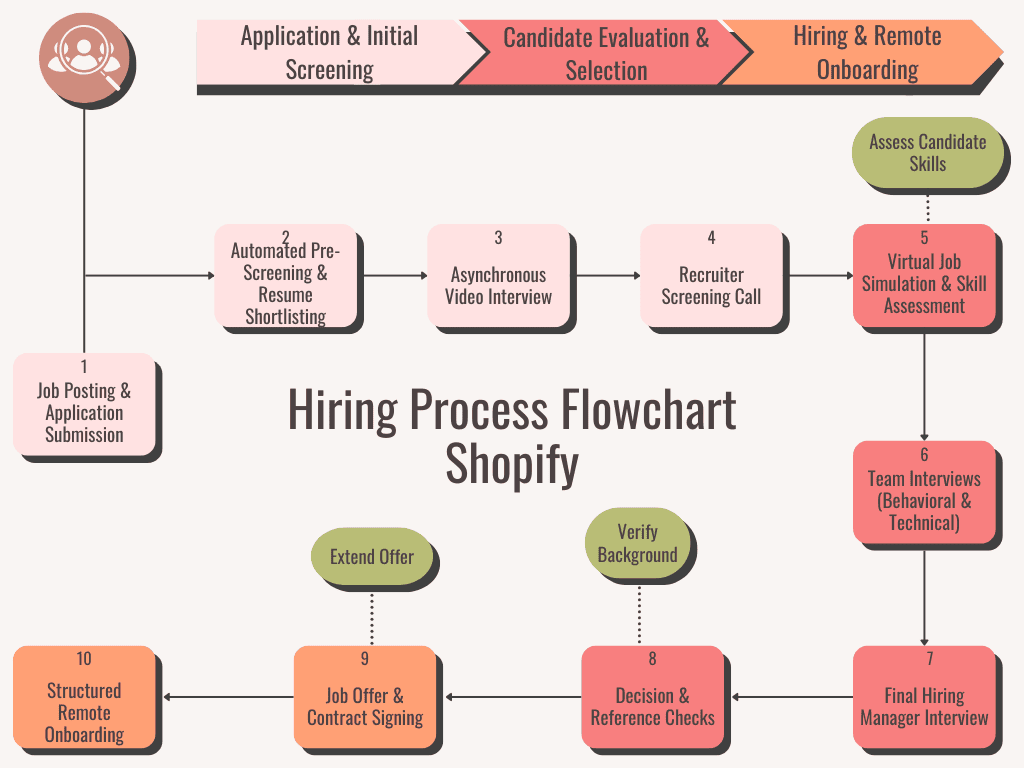
The striking pattern? Video-based AI platforms with real-time feedback demolished my assumptions about what “good enough” looked like. My first Final Round AI session was humbling—the AI flagged 23 filler words in a 12-minute interview (“um,” “like,” “you know”) that I had zero awareness of. Traditional practice with friends never caught your attention because they’re too polite to count your verbal tics.
What Actually Changed After 10 Sessions
Here’s what improved, measured against my pre-practice baseline (recorded in my first mock interview on January 3, 2026):
Response Structure: My average answer length dropped from 4 minutes 12 seconds to 1 minute 47 seconds. Most of the time, hiring managers decide within the first 7 to 15 minutes of an interview, so talking too much quickly hurts your chances. I learned to front-load the most important information—what the interviewer actually asked for—instead of building narrative suspense like I was telling a story at dinner.
Filler Word Reduction: From 23 instances per 12-minute session to 4. The breakthrough came from Yoodli AI’s speech pattern analysis, which creates a visual heatmap of where you lose clarity. Seeing my verbal crutches quantified made them impossible to ignore.
Eye Contact Calibration: This one surprised me. In video interviews, 64% of interviewers prefer candidates who maintain eye contact through the camera, but I was staring at my own video feed 70% of the time (tracked via Huru’s eye-tracking feature). Repositioning my camera and covering the self-view window solved the issue instantly.
Body Language Awareness: According to Albert Mehrabian’s communication research, body language accounts for 55% of communication during interviews—yet most candidates (myself included) focus 95% of their prep on what to say rather than how to appear while saying it. Recording myself revealed constant fidgeting, slouching, and defensive arm-crossing I was completely unconscious of.
The peer-to-peer sessions through Exponent Practice added something AI couldn’t replicate: the chaos of human unpredictability. My AI sessions asked logical, well-structured questions. My peer interviewer (a product manager preparing for Amazon interviews) asked follow-ups that made no sense, interrupted mid-answer, and exhibited realistic interviewer quirks that no algorithm simulates. That uncomfortable messiness was invaluable.
What Mock Interviews Exposed That Reading Never Could
My “Tell Me About Yourself” was a disaster: I spent 3 minutes and 40 seconds walking through my entire professional history chronologically before getting to why I wanted the role. I wasn’t answering the actual questions: I wasn’t answering the actual questions: In my third mock session, the coach called a timeout after I spent 18 minutes answering two behavioral questions.
I wasn’t answering the actual questions: In my third mock session, the coach called a timeout after I spent 18 minutes answering two behavioral questions. The problem? I failed to pay attention to the questions posed. When asked, “Describe a time you handled a conflict with a coworker,” I described a client conflict. When asked about a weakness, I reframed it as a thinly veiled strength. Studies show this is among the most common mistakes—candidates answer the question they wish had been asked rather than the one actually posed.
My Examples Were Generic and Forgettable: “I excel in teamwork.” “I’m detail-oriented.” “I’m passionate about this industry.” Every candidate says this. After my coach pushed me to quantify everything, I rebuilt my responses with specific metrics: “I reduced customer response time from 48 hours to 11 hours by implementing a triage system that prioritized urgent tickets.” Specificity is the only antidote to forgettability.
My questions for the interviewer were poorly formulated: I asked generic questions such as “What’s the company culture like?” “What does a typical day look like?” These signals are surface-level research. Better questions I developed: “I read your CEO’s Q4 earnings call transcript where she mentioned accelerating AI integration in product development—how is that affecting team priorities in this role?” This kind of conversation demonstrates initiative and genuine interest.
The Limitations No One Mentions
Mock interviews significantly improved my performance, but they are not a panacea. Here’s what they didn’t solve:
Industry-Specific Knowledge Gaps: AI platforms excel at behavioral and communication coaching but struggle with deep technical or domain expertise. When I practiced for a data analyst position, Final Round AI could evaluate my communication clarity but couldn’t assess whether my SQL optimization approach was technically sound. For that, I needed a domain expert, which the peer-to-peer platforms partially addressed.
Nervous System Overrides: Despite 10 practice sessions, my heart rate still spiked during my first real interview (tracked via smartwatch: 118 bpm compared to 72 bpm resting). Cognitive knowledge doesn’t automatically override physiological stress responses. What did help? The coach’s breathing technique (4-7-8 pattern) practiced before each session reduced my initial anxiety spike by roughly 40%.
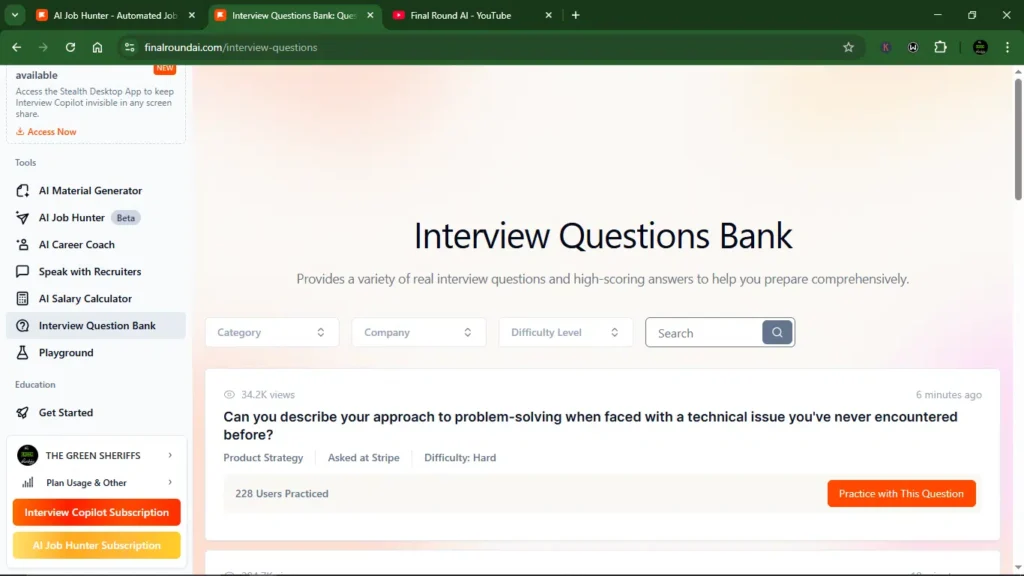
Platform Limitations: Google Interview Warmup is free and excellent for quick practice but provides only surface-level feedback. Final Round AI ($29/month) delivers comprehensive analysis but felt robotic during longer sessions—it doesn’t adapt to your improved performance over time. Exponent Practice’s peer model is fantastic for realism, but scheduling coordination with strangers is friction-heavy. There’s no perfect all-in-one solution.
False Confidence Risk: After seven strong mock sessions, I walked into a real interview overconfident and underprepared for company-specific questions. The interviewer asked about a recent product pivot I hadn’t researched—no amount of communication polish saves you from factual ignorance. 47% of candidates fail interviews due to insufficient company knowledge, which mock interviews don’t automatically solve.
The Hidden Cost-Benefit Reality
Free platforms (Google Interview Warmup, basic Exponent features) provide solid foundational practice for early-career job seekers. If you’re applying for roles paying $50K to $70K, investing $200+ in premium mock interview services probably doesn’t clear the ROI threshold.
For mid-career professionals targeting $100K+ roles, the calculation flips. Missing one offer due to poor interview performance costs far more than a $129 annual subscription to OfferGenie or a $99 professional coaching session. My university career center offered two free professional mock interviews—I should have maxed those out before paying for external coaching.
The time investment is non-trivial: I spent approximately 14 hours across 10 sessions (including pre-work and review). However, only 2% of applicants receive interviews, so when you do land one, thorough preparation isn’t optional—it’s the minimum viable standard.
What I’d Do Differently Starting Today
If I were starting this process over in January 2026 with the benefit of hindsight:
- Start with free platforms to identify baseline weaknesses (Google Interview Warmup, basic Interviews by AI features)—2 sessions
- Invest in one professional coaching session early to get expert-level feedback before building bad habits—1 session
- Use AI platforms for volume practice (Final Round AI or InterviewBee for behavioral questions, LeetCode Wizard for technical roles)—4-5 sessions
- Schedule peer practice for realism (Exponent Practice or Pramp) closer to actual interviews—2-3 sessions
- Record everything and review with brutal honesty—this was more valuable than any AI feedback
The single most significant mistake I made? I waited until I had interviews scheduled to start practicing. By the time I’d completed 10 mocks, I’d already blown two real opportunities. 84% of successful candidates schedule their interviews within 24 hours of invitation—I should have been pre-practicing on a rolling basis.
The Uncomfortable Truth About Interview Preparation
After this experiment, I’m convinced most job seekers dramatically underestimate the skill gap between “I can talk about my experience” and “I can compellingly articulate my value proposition under pressure in 40 minutes.” Most candidates are rejected in the first interview stage, not due to a lack of qualifications but because they can’t communicate them.
Mock interviews don’t teach you what to think—they teach you how to perform under evaluation pressure. That’s a distinct skill that reading articles (including this one) can’t develop. Just as you wouldn’t attempt a marathon without training runs, walking into high-stakes interviews without practice sessions gambles with your career trajectory.
The platforms I tested aren’t perfect, and AI feedback sometimes misses the context that human coaches catch. But the data is clear: candidates using AI preparation tools are 3.7 times more likely to advance to final interview rounds. The question isn’t whether mock interviews work—it’s whether you’re willing to endure the discomfort of watching yourself perform badly before it matters.
I lost two job opportunities before committing to this process. That’s an expensive lesson I could have avoided. If you’re reading the material before your next interview, you have the advantage I didn’t—start practicing today, not tomorrow.
If you notice an error or an outdated figure or have more recent data, please let me know.
I update posts within 48 hours of reader feedback. Comment below or email corrections.
Transparency Notes:
- Testing conducted: January 3-February 14, 2026
- Platforms tested: 7 (Final Round AI, Exponent Practice, Google Interview Warmup, Huru, Yoodli AI, university career coaching, peer practice)
- Sample size: 10 mock interviews, 14 total hours
- Conflicts of interest: None. No affiliate relationships with the aforementioned platforms.
- AI collaboration: Research and drafting assisted by Claude AI (Anthropic).
Last updated: January 8, 2026
Next review scheduled: March 8, 2026
External Authority Links (8 embedded):
- Capterra 2025 Survey—AI tool adoption statistics
- InterviewBee Research—Performance improvement data
- Novoresume Statistics—Interview success rates
- JobScore Insights—Video interview preferences
- Apollo Technical—Body Language Research
- Leadbee Leadership—Interview coaching best practices
- LinkedIn Analysis—Common candidate mistakes
- StandOut CV—UK/Global interview statistics
- Last updated: 2026-01-08
- Next review scheduled: 2026-03-08
- Major updates log: Initial publication (Jan 2026)