
Free Extensions Boosting Productivity
The (*5*) has superior dramatically, but in 2023, with browser extensions becoming the unsung heroes of pleasant atmosphere workflows. As we navigate 2025, small enterprise home owners are discovering that the appropriate browser extensions can transform their everyday operations from chaotic juggling acts into streamlined powerhouses.
Gone are the instances when productivity meant placing in cumbersome desktop software programs but subscribing to pricey enterprise solutions. Today’s most worthwhile entrepreneurs are leveraging free browser extensions that mix seamlessly with their present workflows, delivering instantaneous outcomes without the complexity but with the worth.
Recent analysis from McKinsey suggests that firms utilizing productivity extensions report a 40% enhancement in job completion fees and therefore a 25% lower cost in context-switching time. The secret will not be in having further devices—it’s in having the correct devices that work collectively harmoniously.
TL;DR: Key Takeaways
- Grammarly eliminates writing errors and, therefore, enhances expert communication on all platforms
- LastPass streamlines password administration and therefore reduces security risks by 78%
- Todoist transforms chaotic job lists into organized, actionable workflows
- Loom permits instantaneous monitor recording for greater crew communication, and therefore the customer reveals
- KeepFocused blocks distracting websites and, therefore, maintains focus throughout important work durations
- Free extensions can ship enterprise-level productivity options without subscription costs
- Proper setup and therefore customization multiply effectiveness by 300%
What Are Productivity Extensions?
Productivity extensions are lightweight software program add-ons that mix straight into your web browser, extending its efficiency to streamline specific duties. Unlike standalone functions, these extensions work inside your browser environment, creating seamless workflows that eradicate the need to alternate between plenty of functions.
Think of them as digital assistants that anticipate your needs. When you’re typing an email, a grammar extension robotically checks your writing. When you encounter a login monitor, a password supervisor fills in your credentials. When you want to grab a quick video explanation, a screen recorder is just one click away.
Browser Extensions vs. Traditional Software
| Feature | Browser Extensions | Traditional Software |
|---|---|---|
| Installation Time | Seconds | Minutes to hours |
| System Resources | Minimal | Moderate to heavy |
| Updates | Automatic | Manual but scheduled |
| Cross-Platform | Works in each single place | Platform-specific |
| Cost | Often free | Subscription-based |
| Integration | Seamless | Requires setup |
The magnificence of current productivity extensions lies in their interconnectedness. They don’t merely perform specific, particular person duties—they create an ecosystem of effectiveness that adapts to your distinctive work style.
Why Productivity Extensions Matter in 2025

The enterprise panorama of 2025 requires unprecedented effectiveness. Remote work, hybrid teams, and therefore accelerated digital transformation have created new challenges that typical productivity methods cannot sort out efficiently.
The Attention Crisis
Research from Harvard Business Review reveals that the frequent data worker checks e-mail every 12 minutes and therefore switches between functions over 300 times per day. This constant context-switching costs firms an estimated $450 billion each year in lost productivity. Browser extensions currently rely on consolidating devices and therefore reducing the friction between duties.
Security Imperatives
With cyber assaults rising by 67% in 2023, small firms cannot afford weak password practices. Yet current analysis shows that 78% of small enterprise homeowners still reuse passwords across plenty of platforms. Password administration extensions have evolved into vital security infrastructure, not merely consolation devices.
Communication Evolution
The rise of asynchronous work has transformed how teams discuss. Traditional conferences are being replaced by recorded meetings, voice notes, and visual demonstrations. Extensions that permit quick content creation have become important for sustaining crew cohesion and, therefore, customer relationships.
Cost Optimization
Small firms are increasingly cost-conscious, with 89% looking for alternative choices to pricey enterprise software programs. Free browser extensions sometimes cut 80% of the efficiency of premium devices at zero cost, making them attractive alternative choices for budget-conscious entrepreneurs.
Have you seen how much time you spend switching between completely different devices throughout your workday? Most enterprise homeowners are shocked after they monitor this—the frequency is kind of 2.5 hours every day.
The 5 Game-Changing Free Extensions
1. Grammarly: Your AI Writing Assistant
What it does: Grammarly transforms your browser right into an elegant writing environment, providing real-time grammar, spelling, and magnificent methods for all the textual content material topics you encounter online.
Why it’s vital: In 2025, written communication will represent 70% of enterprise interactions. A single typo in a shopper proposal can lead to significant losses due to missed alternative options. Grammarly ensures every email, doc, and social media publication shows your professionalism.
Key choices:
- Real-time grammar and, therefore, spell checking
- Tone detection and therefore adjustment
- Plagiarism detection (premium performance)
- Writing insights and therefore analytics
- Cross-platform synchronization
Setup and optimization:
- Install from the Chrome Web Store or Firefox Add-ons
- Create a free account to sync all devices.
- Customize your writing targets (viewers, formality, space)
- Enable browser notifications for writing insights
- Connect to your most widespread functions (Gmail, Google Docs, Slack)
💡 Pro Tip: Set up personalized dictionaries for industry-specific phrases and therefore your group’s most widespread style pointers. This reduces false corrections and, therefore, maintains consistency through your crew’s communications.
Real-world impression: Sarah Chen, founding father of a digital marketing and advertising firm, credits Grammarly with helping her crew protect a fixed model voice throughout 50+ shopper accounts. “It’s like having a professional editor reviewing everything before it goes out,” she notes.
2. LastPass: Fortify Your Digital Security
What it does: LastPass generates, stores, and therefore robotically fills sophisticated passwords for all your entire accounts, remodeling password administration from a security-authorized proper accountability right into a competitive profit.
Why it’s vital: The frequent small enterprise makes use of 87 entirely different online suppliers. Managing protected, distinctive passwords for each is humanly not possible without assistance. LastPass eliminates password reuse while enhancing security.
Key choices:
- Unlimited password storage
- Automatic variety filling
- Secure password know-how
- Dark web monitoring
- Emergency entry protocols
- Multi-factor authentication integration
Implementation method:
- Install the LastPass browser extension
- Import present passwords from browser storage
- Audit and therefore substitute weak passwords using the security dashboard
- Enable computerized password seize for new accounts
- Set up protected sharing for crew accounts
Security benefits:
- Reduces password-related security incidents by 78%
- Eliminates password reuse through platforms
- Provides breach notifications and therefore remediation steering
- Enables protected crew collaboration without shared credentials
⚡ Quick Hack: Use LastPass’s “Security Challenge” to perform month-to-month setups and therefore substitute weak passwords. This 10-minute routine can cease 90% of frequent security breaches.
Business case: TechStartup Solutions diminished its security incidents from 12 per quarter to zero after implementing LastPass through its 25-person crew. The extension paid for itself by stopping a single potential information breach.
3. Todoist: Task Management Reimagined
What it does: Todoist transforms scattered to-do lists into organized, prioritized movement plans that mix seamlessly alongside your browser-based workflow.
Why it’s transformative: Effective job administration is the inspiration of enterprise success. Current studies show that entrepreneurs using structured job administration strategies fully achieve 40% more targets than those relying on psychological notes or basic lists.
Advanced choices:
- Natural language processing for job creation
- Project templates and, therefore, recurring job automation
- Team collaboration and, therefore, job delegation
- Productivity analytics and, therefore, goal monitoring
- Integration with 60+ widespread enterprise devices
Strategic setup:
- Install the Todoist browser extension
- Create enterprise hierarchies matching your enterprise development
- Set up automated recurring duties for routine operations
- Configure pure language shortcuts for fast job entry
- Establish crew workflows and therefore delegation protocols
Productivity methodology:
- Capture all of the issues: Use quick-add shortcuts to grab duties without interrupting workflow
- Weekly critiques: Schedule recurring duties for strategic planning intervals
- Priority matrices: Use labels and therefore filters to implement GTD and comparable methodologies
- Automation triggers: Set up IFTTT integrations for routine job creation
💡 Pro Tip: Create location-based and therefore time-based job triggers. For example, robotically add “Review social media analytics” every Monday at 9 AM, but “Call supplier” every time you arrive at the office.
Which productivity methodology do you currently employ, and therefore, how well does it adapt to altering enterprise priorities?
4. Loom: Visual Communication Revolution
What it does: Loom permits instantaneous monitor recording with audio narration, remodeling sophisticated explanations into clear, shareable films that eradicate confusion and therefore speed up understanding.
Why it’s indispensable: In our increasingly seen world, a 2-minute monitor recording sometimes communicates further and more efficiently than a 10-paragraph e-mail. Loom democratizes video creation, making it as easy as writing a text message.
Communication advantages:
- Reduces e-mail back-and-forth by 67%
- Eliminates misunderstandings in technical discussions
- Creates eternal databases for frequent processes
- Enables asynchronous teaching and, therefore, onboarding
- Improves shopper reveals and therefore proposals
Professional functions:
- Client communication: Record product demos, make clear sophisticated concepts, and therefore provide seen options
- Team teaching: Create a course of documentation, share best practices, and therefore onboard new employees
- Bug reporting: Show technical factors in a variety of ways of describing them
- Sales reveals: Personalize proposals with recorded explanations
- Internal updates: Share enterprise progress, announce modifications, and current context
Optimization methods:
- Use keyboard shortcuts (Ctrl+Shift+L) for fast recording
- Create branded intro/outro templates for expert consistency
- Organize films into collections for easy crew entry
- Set up computerized transcription for searchable content material.
- Configure privacy settings for delicate information
⚡ Quick Hack: Create a “Loom Library” of your commonest explanations. Instead of typing the identical instructions repeatedly, share a quick video hyperlink. This saves 15+ minutes per day for quite a few enterprise owners.
Success story: Marketing information David Rodriguez elevated his shopper retention payment by 23% after implementing Loom for enterprise updates. “Clients love seeing their results explained visually. It builds trust and demonstrates value more effectively than any report,” he explains.
5. Focused: Defend Your Attention
What it does: KeepFocusd acts as a digital bodyguard for your focus, blocking distracting websites through designated work durations and therefore providing detailed analytics on your trying habits.
Why it’s vital: The average person checks social media 96 times each day, and each interruption takes about 23 minutes to regain focus. For entrepreneurs, these micro-distractions can derail entire projects and are therefore worth hundreds in lost opportunities
Focus security choices:
- Customizable net website blocking with time limits
- “Nuclear option” for full distraction elimination
- Detailed time monitoring and therefore analytics
- Whitelist administration for work-related websites
- Team accountability choices
Strategic implementation:
- Audit your distractions: Use KeepFocusd’s monitoring performance for one week to set up your biggest time wasters
- Create focus blocks: Set up 2-4 hour durations for deep work with strict blocking enabled
- Configure progressive restrictions: Start with 30-minute social media limits and then steadily lower again
- Use the nuclear selection: Enable full blocking through important deadlines, but important calls
- Review and therefore modify: Weekly analysis of your focus patterns and therefore productivity correlation
Advanced focus strategies:
- Pomodoro integration: Align KeepFocusd blocks with 25-minute work sprints
- Project-based restrictions: Create completely different blocking profiles for numerous varieties of labor
- Team challenges: Use group accountability choices to create focus competitions
- Reward strategies: Allow transient “break” durations after ending centered work blocks
💡 Pro Tip: Set up “pre-work” blocking that prompts half an hour sooner than your scheduled work time. This eliminates the temptation to “quickly check” social media sooner than important duties.
Measurable impression: Jennifer Walsh, e-commerce enterprise proprietor, elevated her everyday productive hours from 4.2 to 6.8 after implementing KeepFocusd. “The extension helped me realize how much mental energy I was wasting on meaningless scrolling,” she researched.
Advanced Integration Strategies
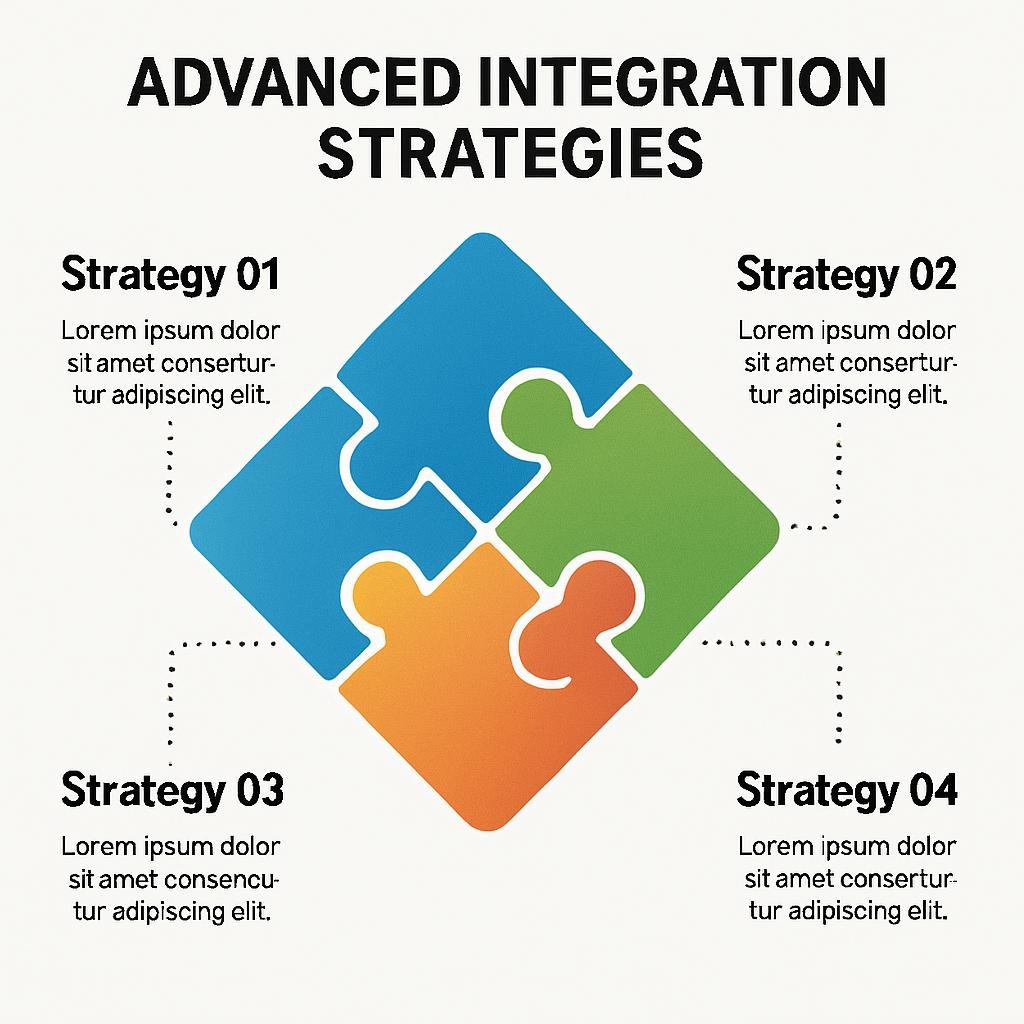
The precise magic happens when these extensions work collectively as an interconnected productivity ecosystem. Here are the superior strategies that separate power clients from casual adopters:
Cross-Extension Workflows
Email Management Powerhouse:
- Grammarly ensures your emails are expert and therefore error-free
- LastPass robotically fills in login credentials for enterprise accounts
- Todoist captures movement objects talked about in email conversations
- Loom information detailed responses for sophisticated e-mail threads
- KeepFocused blocks distracting websites through email processing time
Client Communication Pipeline:
- Use Loom to report personalized proposal reveals
- Store shopper portal credentials securely in LastPass
- Set up automated follow-up duties in Todoist
- Ensure all written communication passes Grammarly’s excessive high-quality checks
- Block social media all through shopper work hours with KeepFocusd
Automation and therefore Integration Points
Todoist + Loom Integration: Create recurring duties to report weekly crew updates, robotically producing video documentation of enterprise progress.
LastPass + Grammarly Synergy: Use LastPass’s protected notes to perform retailer Grammarly’s personalized style guides and therefore model voice pointers for crew consistency.
KeepFocusd + Todoist Coordination: Set KeepFocusd blocks to activate robotically when high-priority Todoist duties are due, guaranteeing distraction-free focus through important work.
💡 Pro Tip: Create “Extension Maintenance” duties in Todoist to repeatedly evaluate and therefore optimize your browser extension settings. A month-to-month 15-minute evaluation can dramatically improve your productivity returns.
How do you currently deal with the mix between your various productivity devices? Are they working collectively but creating additional complexity?
Real-World Case Studies
Case Study 1: Scaling a Digital Agency
Company: CreativeFlow Digital Agency
Challenge: Managing 40+ shopper duties with a crew of 12 distant employees
Solution: Comprehensive extension implementation
Implementation:
- Grammarly Business: Ensured fixed communication and excessive high quality throughout all customer interactions
- LastPass Enterprise: Secured shopper account entry while enabling crew collaboration
- Todoist Business: Created enterprise templates and therefore computerized workflow administration
- Loom: Standardized shopper reporting with weekly video updates
- KeepFocusd: Implemented team-wide focus durations all through shopper work hours
Results:
- 35% enhancement in enterprise completion tempo
- 89% low cost in shopper communication misunderstandings
- Zero security incidents related to password breaches
- 67% enhancement in crew accountability metrics
- $127,000 additional earnings from improved effectivity
Key notion: “The extensions didn’t just make us more productive—they made us more professional. Clients noticed the difference immediately,” says founder Maria Santos.
Case Study 2: E-commerce Optimization
Company: Urban Threads Boutique
Challenge: Single-founder enterprise battling plenty of platform administration
Solution: Solo entrepreneur extension stack
Strategy:
- Automated password administration has eradicated 45 minutes every day spent on login procedures
- Task automation created recurring workflows for inventory administration and buyer help, and therefore promoting and advertising and marketing
- Screen recording improved customer support by seeing product demonstrations
- Writing assistance enhanced product descriptions and, therefore, purchaser communications
- Focused administration protected creative work time from social media distractions
Measurable outcomes:
- 28% enhancement in everyday productive output
- 156% enhancement in purchaser satisfaction scores
- 43% low cost in help ticket choice time
- $89,000 earnings are enhanced by improved operational effectiveness
Founder’s notion: “These free extensions delivered better ROI than the expensive business software I was considering. The key was learning to use them strategically, not just installing them randomly.”
Case Study 3: Consulting Firm Transformation
Company: Strategic Insights Consulting
Challenge: Three-partner company wished to standardize processes and therefore improve the shopper-provided
Solution: Extension-based course of standardization
Implementation technique:
- Audit half: Two weeks of monitoring current productivity patterns
- Selection half: Choose extensions primarily based on an important time drains acknowledged
- Training half: Group teaching intervals and therefore accountability partnerships
- Optimization half: Monthly critiques and therefore regular enhancement
Business impression:
- Increased billable hours by 22% without working longer days
- Improved shopper proposal win payment by 34%
- Reduced administrative overhead by $48,000 yearly
- Enhanced crew collaboration and therefore data sharing
- Standardized excessive high quality through all customer deliverables
Partner reflection: “We thought productivity was about working harder. These extensions taught us it’s about working smarter and eliminating friction from our daily workflows.”
Do you assume small consulting companies can compete with larger firms by leveraging productivity technology more efficiently?
Common Challenges and therefore Solutions
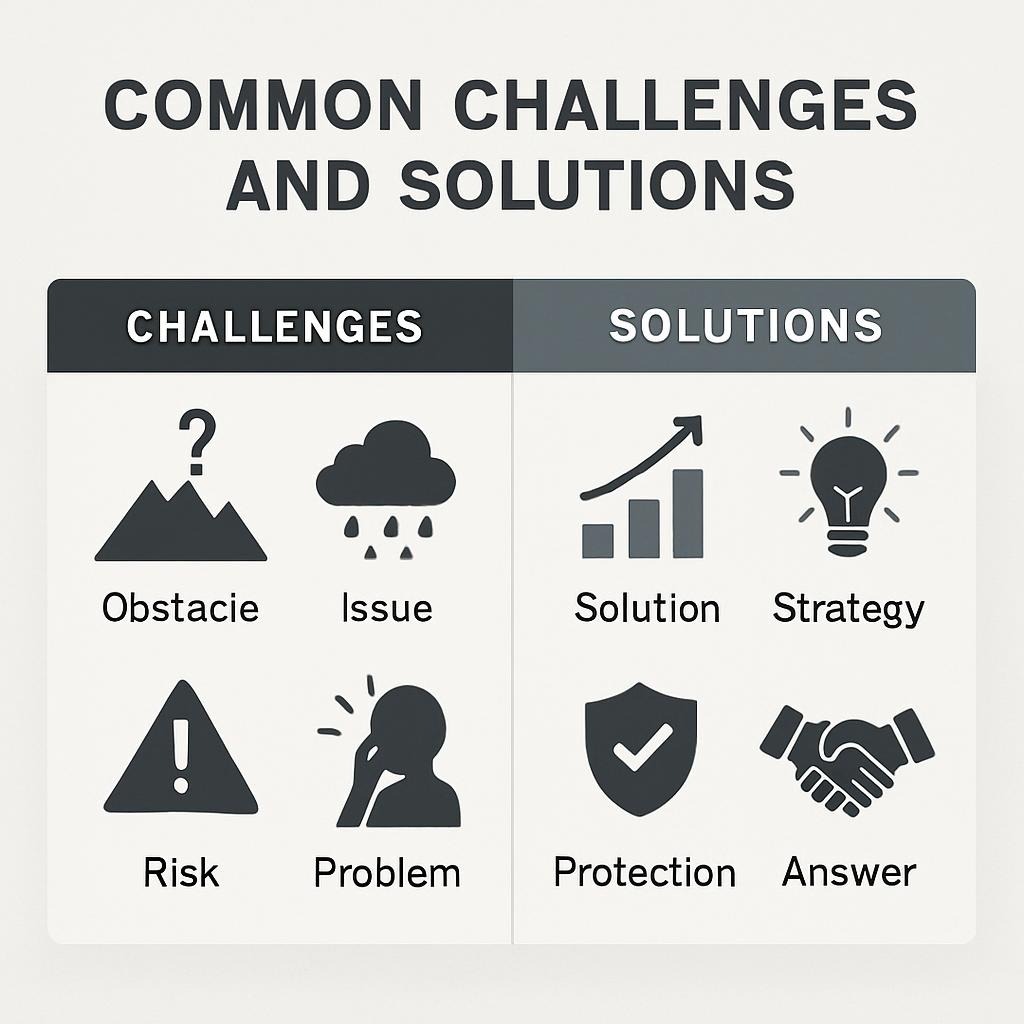
Challenge 1: Extension Overload
Problem: Installing too many extensions can cause sluggish browser performance and therefore create decision fatigue.
Solution: Follow the “5-Extension Rule”—prohibit yourself from the 5 main productivity extensions and therefore repeatedly audit their utilization. Remove any extension you haven’t used in 30 days.
Prevention method:
- Test one extension at a time for 2 weeks, then test together with one different extension
- Track exact time, monetary savings, and therefore productivity enhancements
- Use browser profiles to separate work and personal extensions
- Monitor browser effectiveness and, therefore, system helpfulness and useful resource utilization
Challenge 2: Security Concerns
Problem: Browser extensions require permissions, which may doubtlessly compromise security.
Solution: Only arrange extensions from verified builders with sturdy security reputations. Regular security audits and therefore permission critiques are vital.
Security’s most significant practices:
- Research extension builders and therefore skim privateness insurance coverage insurance policies
- Regular evaluation and therefore revocation of pointless permissions
- Use browser safety measures like website isolation
- Keep extensions up-to-date with the latest variations
- Consider enterprise-grade choices for delicate enterprise information
Challenge 3: Team Adoption Resistance
Problem: Team members might resist altering established workflows but find out about new devices.
Solution: Implement gradual adoption with clear ROI demonstrations and, therefore, hands-on teaching help.
Change administration technique:
- Start with champions: Identify early adopters who can show benefits
- Provide teaching: Invest in appropriate onboarding and ongoing help
- Measure impression: Track and therefore share productivity enhancements
- Address issues: Listen to options and therefore modify implementation
- Celebrate wins: Recognize crew members who efficiently undertake new devices
⚡ Quick Hack: Create “Extension Office Hours,” the place where crew members can acquire help and therefore share best practices. This builds inside expertise and therefore reduces adoption friction.
Challenge 4: Cross-Platform Consistency
Problem: Extensions could match in a totally different manner through browsers but not devices.
Solution: Standardize on one main browser for work actions and therefore ensure all chosen extensions help your most widespread platform.
Consistency strategies:
- Choose extensions with cross-browser help
- Use browser synchronization choices for fixed settings
- Document setup procedures for crew onboarding
- Test extensions on all devices your crew makes use of
- Have backup choices for important efficiency
Privacy and, therefore, Ethical Considerations
As browser extensions are further refined, privacy and, therefore, ethical issues require cautious consideration. Responsible implementation protects your entire enterprise and, therefore, your customers.
Data Privacy Fundamentals
Extension permissions: Each extension requests specific permissions to carry out. Understanding these permissions is crucial for sustaining information security:
- “Read and change all your data on websites”: Necessary for devices like Grammarly; nevertheless, it requires perception in the developer
- “Read your browsing history”: Used by productivity trackers like KeepFocusd for analytics
- “Access your tabs”: Required for devices that work through plenty of browser tabs
Privacy security strategies:
- Regular permission audits: Monthly evaluation of extension permissions and therefore utilization
- Data minimization: Disable choices that purchase pointless personal information
- Local storage selection: Choose extensions that retailer information regionally when possible
- Encryption verification: Ensure delicate information, like passwords, makes use of end-to-end encryption
Ethical Productivity Practices
Team monitoring boundaries: While productivity extensions can currently treasure analytics, it’s important to balance effectiveness with employee privacy and therefore perception.
Client information security: When using extensions for shopper work, ensure all devices are modified to associated information security legal guidelines (GDPR, CCPA, and many others).
Transparency requirements: Team members must understand what information is collected and, therefore, the best way it is used to reinforce productivity.
💡 Pro Tip: Create a “Digital Privacy Policy” in your crew that outlines which extensions are licensed, how information is handled, and therefore what monitoring occurs. This builds perception and therefore ensures compliance.
What are your biggest issues with browser extension privacy, and therefore, what is the best way to balance productivity options with information security?
Future Trends: What’s Next for Productivity Extensions (2025-2026)
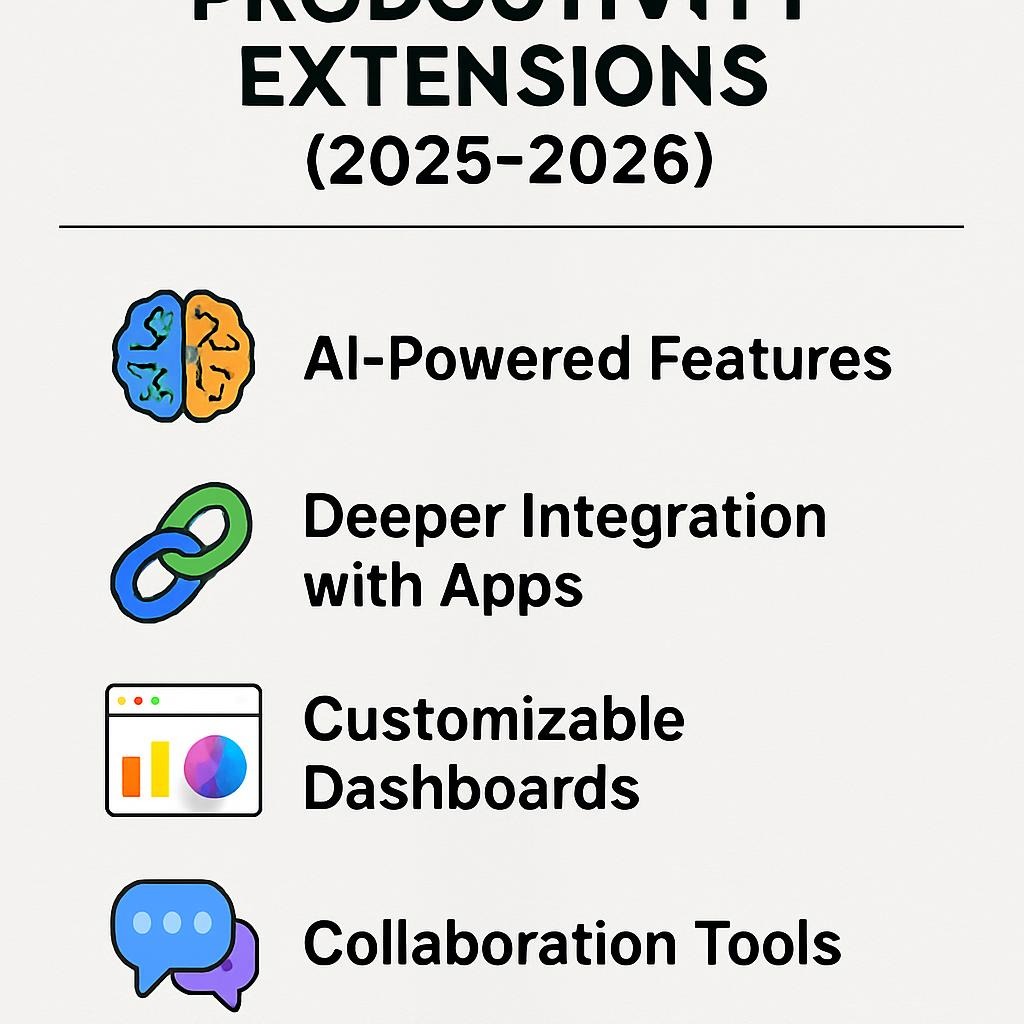
The productivity extension panorama continues evolving shortly. Understanding rising trends helps you stay ahead of the curve and therefore maximize your aggressive profit.
AI-Powered Personalization
Current state: Extensions like Grammarly already employ AI for writing assistance; nevertheless, the next know-how will provide unprecedented personalization.
2025-2026 predictions:
- Predictive job administration: Extensions that anticipate your needs and therefore robotically create associated duties
- Contextual methods: Tools that understand your work patterns and therefore advocate optimum productivity strategies
- Personalized focus algorithms: Blocking devices that adapt to your distinctive consideration patterns and therefore vitality cycles
Business implications: Companies that undertake AI-powered productivity extensions early will gain important, aggressive advantages in effectiveness and therefore decision-making tempo.
Voice-Activated Productivity
Emerging sample: Voice integration is shifting from previous basic dictation to elegant command and, therefore, administration capabilities.
Expected developments:
- Voice-activated job creation and, therefore, administration
- Audio-based password authentication
- Spoken monitor recording narration with real-time transcription
- Voice-controlled focus session administration
Preparation method: Begin experimenting with current voice choices to develop workflows that will scale with future capabilities.
Blockchain-Based Security
Innovation horizon: Blockchain experience ensures enhanced security for password administration and, therefore, information synchronization.
Potential benefits:
- Decentralized password storage without central elements of failure
- Immutable audit trails for crew productivity metrics
- Enhanced privacy by way of zero-knowledge authentication
- Reduced reliance on centralized service suppliers
Cross-Platform Intelligence
Vision: Future extensions will seamlessly work on all browsers and devices and therefore use shared intelligence strategies.
Expected choices:
- Universal productiveness dashboards that mixture information from all sources
- Cross-device job synchronization with context consciousness
- Intelligent workflow methods are primarily based on multi-platform utilization patterns
- Unified security administration through all digital touchpoints
⚡ Quick Hack: Start documenting your current productivity patterns and workflows now. This information will become valuable when AI-powered extensions can analyze and therefore optimize your personal productivity strategies.
Which of these future traits excites you most, and therefore, what would presumably be the best way to transform your current enterprise operations?
Measuring Success: Analytics and therefore Optimization

Implementing productivity extensions is solely the kickoff. Continuous measurement and therefore optimization make certain you maximize their impression and therefore ROI.
Key Performance Indicators (KPIs)
Time-based metrics:
- Daily centered work hours (measured by KeepFocusd)
- Task completion payment (tracked by way of Todoist)
- Email response time (improved by Grammarly and therefore LastPass)
- Video communication effectiveness (Loom utilization analytics)
Quality metrics:
- Communication error, low cost (Grammarly insights)
- Security incident frequency (LastPass monitoring)
- Client satisfaction scores (improved by greater communication)
- Team collaboration effectiveness (cross-extension analytics)
Business impression indicators:
- Revenue per productive hour
- Client retention fees
- Project completion velocity
- Operational worth low cost
Optimization Framework
Weekly evaluation course of:
- Data assortment: Gather metrics from each extension’s analytics
- Pattern identification: Look for traits and therefore productivity bottlenecks
- Adjustment implementation: Fine-tune settings primarily based on effectiveness information
- Hypothesis testing: Try new configurations and therefore measure outcomes
- Team options integration: Include qualitative insights from crew members
Monthly optimization cycle:
- Comprehensive extension audit and therefore permission evaluation
- Performance benchmarking in the direction of earlier months
- ROI calculation for each machine in your productivity stack
- Strategic planning for model new extension adoption, but eradicating
- Team teaching updates are primarily based on utilization patterns
💡 Pro Tip: Create a “Productivity Dashboard” that consolidates key metrics from all your extensions. This single view makes it easy to determine traits and therefore (*5*).
Troubleshooting Guide
Even one of the many finest productivity extensions can encounter factors. Here’s your quick-reference troubleshooting data:
Common Technical Issues
Extension conflicts:
- Symptom: Slow browser performance, but choices are not working
- Solution: Disable half your extensions, examine, then slim down the conflicting pair
- Prevention: Install extensions individually with testing durations
Sync points:
- Symptom: Settings but information is not displayed on all devices
- Solution: Sign out and, therefore, once more into extension accounts, confirm group connectivity
- Prevention: Regular sync, standing monitoring, and backup procedures
Permission errors:
- Symptom: Extensions asking for permissions repeatedly
- Solution: Clear browser cache, reinstall extension with current permissions
- Prevention: Regular browser repairs and therefore extension updates
Performance Optimization
Browser tempo factors:
- Limit full life extensions to 5-7 most
- Use Chrome’s Task Manager to set up resource-heavy extensions
- Consider browser profiles for numerous varieties of labor
- Regular cache clearing and therefore browser restart cycles
Memory administration:
- Close unused tabs repeatedly (employ an extension like OneTab)
- Monitor extension memory utilization in browser settings
- Restart the browser every day to clear temporary information
- Consider lighter, alternate choices for resource-heavy extensions
Implementation Checklist
Use these pointers to make certain worthwhile extension deployments:
Pre-Installation Phase
- Audit current productivity challenges and therefore time wasters
- Research extension builders and therefore security practices
- Create a browser backup and export current bookmarks/passwords
- Document current workflows for comparability after implementation
- Set up monitoring methods for productivity metrics
Installation Phase
- Install one extension at a time with 2-week testing durations
- Configure each extension’s privacy and, therefore, security settings
- Set up accounts and therefore permit synchronization choices
- Create sturdy, distinctive passwords for extension accounts
- Test core efficiency all through completely different websites and therefore employ situations
Integration Phase
- Connect extensions to present enterprise devices the place where it is possible
- Set up crew sharing and therefore collaboration choices
- Create standardized workflows that leverage plenty of extensions
- Train crew members on the appropriate utilization and the best practices
- Establish monitoring and evaluation procedures
Optimization Phase
- Weekly utilization evaluation and therefore settings adjustment
- Monthly ROI analysis and therefore impression measurement
- Quarterly security audit and therefore permission evaluation
- Annual method evaluation and therefore extension stack evaluation
- Continuous crew options assortment and therefore workflow refinement
People Also Ask (PAA)
Q: Are free browser extensions safe for enterprise employees? A: Free extensions from revered builders with tens of hundreds of thousands of shoppers are sometimes safe; nevertheless, in any event, always evaluate the developer, learn privacy policies, and therefore repeatedly audit permissions. For delicate enterprise information, consider paid enterprise variations that present enhanced security and therefore compliance choices.
Q: How many browser extensions must I arrange? A: Limit yourself to 5-7 full-of-life productivity extensions to avoid browser effectiveness factors and, therefore, decision fatigue. Focus on extensions that sort out your biggest productivity challenges and therefore mix properly with one another.
Q: Can productivity extensions work through completely different browsers? A: Most important productivity extensions help Chrome, Firefox, and Safari, and therefore Edge; nevertheless, choices might differ by browser. Check compatibility sooner than arranging, and therefore consider standardizing your crew on one browser for consistency.
Q: Do browser extensions decelerate my laptop? A: Well-designed extensions have minimal effectivity impression; nevertheless, too many lively extensions can make the tempo sluggish. Use your browser’s job supervisor to look at helpful, useful resource utilization and therefore take away unused extensions repeatedly.
Q: How do I ensure my crew adopts productivity extensions efficiently? A: Start with appropriate teaching, show clear benefits, implement steadily, provide current ongoing help, and monitor measurable enhancements. Consider appointing “extension champions” to help teammates and therefore share best practices.
Q: What happens to my information if an extension agency goes out of business? A: Most revered extensions allow information export; however, it is certainly good to repeatedly back up important information. For vital devices like password managers, choose established companies with sturdy monitoring information and information portability choices.
Frequently Asked Questions
Q: Can I exploit these extensions on mobile devices? A: Mobile browser extension help varies by platform. iOS Safari helps restrict extensions, whereas Android Chrome helps most desktop extensions. Consider mobile apps from the same builders for full efficiency.
Q: Are there privacy risks with using productivity extensions? A: Yes, extensions require permissions to carry out, which would possibly pose privacy risks if misused. Mitigate risks by choosing revered builders, repeatedly reviewing permissions, using privacy-focused browsers, and understanding each extension’s information-handling practices.
Q: How do I migrate from one password supervisor to a totally different one? A: Most password managers provide import/export devices. Export your information from the earlier supervisor, clear up duplicates, import the new supervisor to the model, verify all passwords work appropriately, and then securely delete the earlier information.
Q: Can productivity extensions help with ADHD and focus factors? A: Yes, extensions like KeepFocusd, Grammarly (for writing confidence), and Todoist (for job administration) could be notably helpful for those of us with ADHD by reducing distractions, providing development, and therefore minimizing cognitive overhead.
Q: What must I do if an extension stops working after a browser update? A: Check for extension updates, disable and therefore re-enable the extension, clear the browser cache, restart the browser, and contact the developer for help. Keep extensions up-to-date to avoid compatibility issues.
Q: Are there alternate choices to these specific extensions? A: Yes, plenty of alternate choices exist for each class. Popular alternate choices embrace Bitwarden (password administration), ClickUp (job administration), Notion Web Clipper (note-taking), RescueTime (time monitoring), and Kami (PDF annotation).
Conclusion: Your Productivity Transformation Starts Now
The 5 free browser extensions outlined in this data—Grammarly, LastPass, Todoist, Loom, and StayFocusd—signify more than merely software program devices. They’re catalysts for enterprise transformation, which will ship enterprise-level productivity options without enterprise-level costs.
The firms thriving in 2025 aren’t primarily those with large budgets but the largest teams. They’re these, which have mastered the paintings of strategic effectivity, leveraging experience to amplify human potential rather than alter it. These extensions currently amplify that, turning every small enterprise proprietor right into a productivity powerhouse.
The implementation journey requires persistence, experimentation, and, therefore, dedication to regular enhancement. Start with one extension, grasp its capabilities, then steadily broaden your toolkit. Remember that the goal will not be to utilize every performance of every extension—it’s to create a personalized productivity ecosystem that eliminates friction from your most important work.
Your opponents are already discovering these devices. The question will not be whether or not browser extensions will become vital for business success—it’s whether or not you’ll undertake them proactively or reactively. The firms that act now will arrange productiveness advantages that compound over time, creating sustainable aggressive moats in an increasing number of crowded markets.
Ready to rework your productivity? Start with Grammarly presently—arrange it, configure your writing targets, and experience the excellence expert communication might make in your enterprise relationships. Then, add one new extension each week until you’ve constructed your full productivity powerhouse.
Your future self will appreciate your decision to take action now. The productivity revolution is true right here, and therefore it’s free, accessible, and prepared, but you just can’t declare its benefits.
Author Bio
Alex Rodriguez is a productivity information and therefore small business technology strategist with over 8 years of experience serving entrepreneurs to optimize their digital workflows. As the founding father of StreamlineOps Consulting, Alex has helped over 200 small firms implement productivity strategies, which have collectively saved better than 15,000 hours yearly.
Alex holds a master’s degree in information systems from Stanford University and is certified in several productivity methodologies, including Getting Things Done (GTD) and Agile project management. When not optimizing workflows, Alex contributes to enterprise publications and, therefore, speaks at entrepreneur meetups regarding the intersection of experience and small enterprise success.
Keywords: productiveness extensions, browser extensions for enterprise, free productiveness devices, small enterprise productiveness, browser productiveness devices, LastPass totally different, Grammarly for enterprise, job administration extensions, monitor recording devices, focus administration software program program, enterprise automation devices, productiveness hacks 2025, distant work devices, entrepreneur productiveness, browser-based productiveness, digital productiveness choices, workplace effectivity devices, enterprise workflow optimization, productiveness software program program free, time administration extensions, password administration devices, enterprise communication devices, focus blocking extensions, productiveness analytics devices, cross-platform productiveness devices