
Automated Coding Side Hustles
The dream of (*7*) once you sleep shouldn’t be solely a fantasy—it’s an actuality for 1000’s of programmers who’ve constructed automated coding aspect hustles. In today’s digital financial system, your coding talents can work around the clock, producing earnings streams that require minimal daily maintenance as quickly as they are accurately established.
Unlike typical freelance or consulting work that trades time for money, the automated coding aspect hustles to leverage your programming expertise to create methods, devices, and platforms that produce prolonged incomes after the initial enhancement phase. Whether you’re a seasoned developer searching to diversify your income or a coding bootcamp graduate in quest of financial freedom, these options can rework your technical talents into sustainable earnings streams.
This full article explores seven confirmed automated coding side hustles that worthwhile builders employ to generate thousands of dollars month-to-month with minimal ongoing effort. We’ll dive deep into each, analyzing startup costs, potential earnings, automation strategies, and real-world success tales. By the end of this textual content, you can have a clear roadmap to assemble your passive income empire using nothing but your coding talents and entrepreneurial spirit.
1. SaaS (Software as a Service) Products
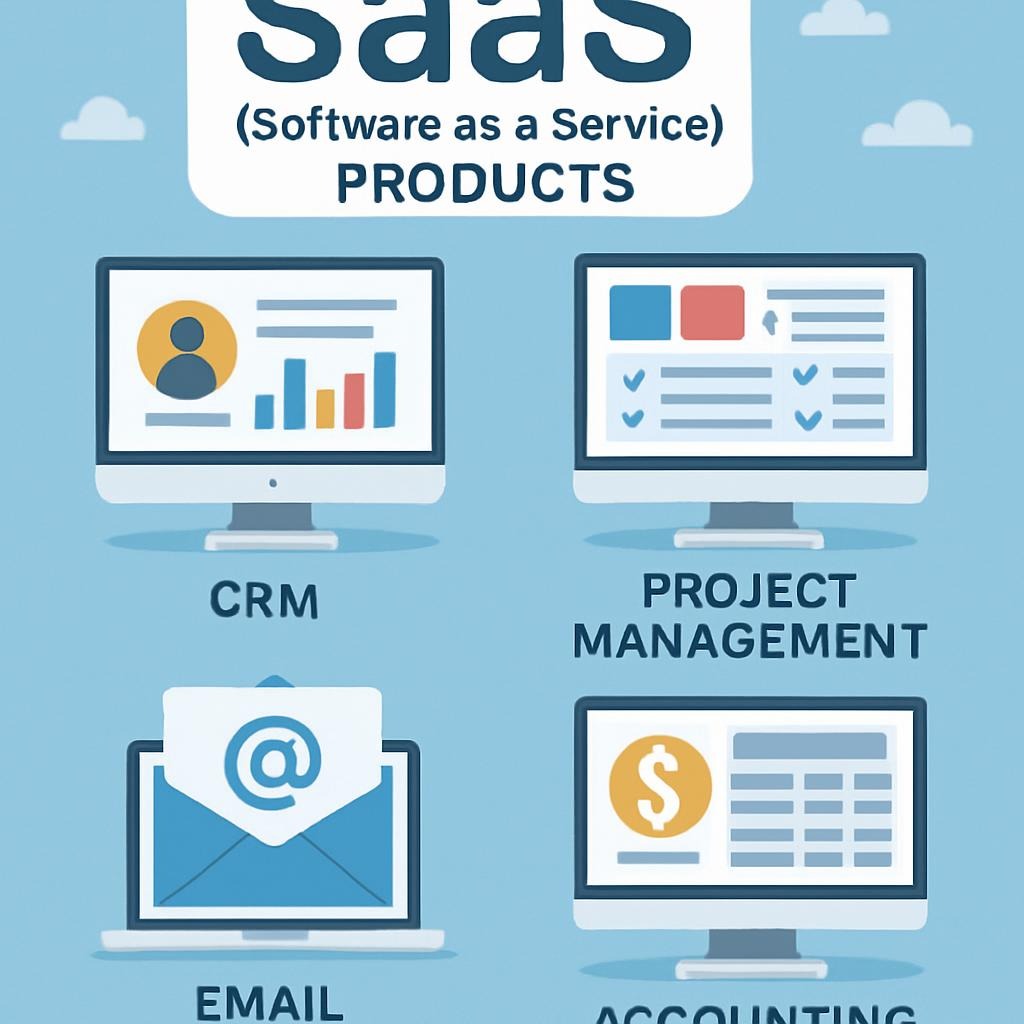
The Ultimate Passive Income Generator
Software as a Service represents the holy grail of automated coding aspect hustles. Once you’ve acquired, developed, and deployed a SaaS application, it would possibly, in all probability, generate recurring month-to-month earnings with minimal maintenance, significantly more so if you give consideration to fixing specific points for space of curiosity markets.
The nice factor about SaaS lies in its subscription model. Instead of selling your software as quickly as possible, you are primarily renting access to your solution, which creates predictable monthly recurring revenue (MRR). Many solo builders have constructed six-figure firms by determining underserved markets but creating centered choices.
Identifying Profitable SaaS Opportunities
Successful SaaS merchandise generally clears up one of three points: they save time, decrease your bills, or enhance earnings for his or her clients. The key is discovering markets where current choices are each overpriced, overly difficult, or simply don’t exist.
Start by analyzing your expert frustrations. What devices would you like to exist? What processes might be streamlined? Often, the points you face daily are shared by thousands of others in your enterprise. For an event, a developer pissed off with problem time monitoring could create a specialized instrument for enhancement teams, whereas any person struggling with social media administration would possibly assemble a definite phase automation platform.
Research your target market thoroughly before committing to enhancement. Use devices like Google Keyword Planner, Ahrefs, or SEMrush to determine the search volume for problem-related key phrases. Join industry forums and Reddit communities, but avoid LinkedIn groups, to understand the factors and validate demand.
Technical Architecture for Automation
Building an absolutely, honestly automated SaaS requires cautious architectural planning from day one. Your tech stack should prioritize scalability and reliability but have minimal maintenance requirements. Cloud platforms like AWS, Google Cloud, or Azure provide managed services that minimize operational overhead significantly.
Consider implementing automated deployment pipelines using devices like GitHub Actions or GitLab CI/CD. This ensures that new features and bug fixes are deployed seamlessly without manual intervention. Database automation by way of managed firms like AWS RDS or Google Cloud SQL handles backups and updates but scales routinely.
Monitoring and alerting methods are important for early detection. Tools like DataDog and New Relic, but even straightforward choices like UptimeRobot, can notify you of factors sooner than prospects complain, allowing you to sustain the “hands-off” nature of your side hustle.
Revenue Potential but Success Stories
The income potential for SaaS merchandise varies dramatically, primarily based on market size, pricing method, and execution of high quality. Conservative estimates suggest that a well-executed space of curiosity SaaS can generate $1,000-$10,000 in month-to-month recurring earnings within the primary 12 months, with worthwhile merchandise usually scaling to six or seven figures yearly.
Consider the success of Nomad List, created by Pieter Levels, which generates over $500,000 yearly by serving digital nomads. Or have a look at ConvertKit, started by Nathan Barry, which grew from an aspect problem to a $20+ million annual earnings enterprise. While these characterize distinctive success tales, they exhibit the scalability potential of SaaS merchandise.
User Testimonial: “I built a simple invoice tracking SaaS for freelancers in 2019. Starting with just 10 paying customers at $29/month, I now serve over 800 subscribers, generating $23,000 MRR. The best part? I spend maybe 5 hours per week on maintenance and customer support.” – Sarah Chen, Developer & SaaS Founder
2. WordPress Themes and Plugins
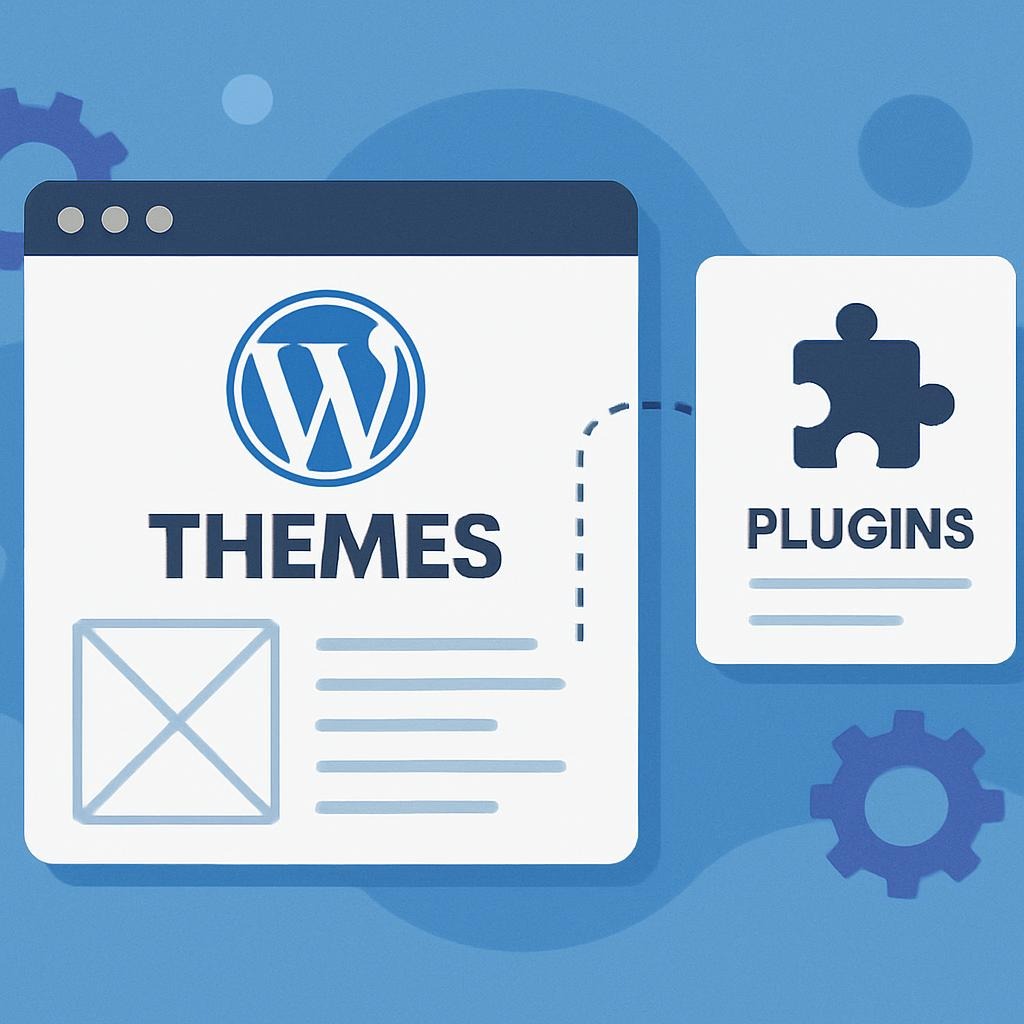
Capitalizing on the World’s Most Popular CMS
WordPress powers over 40% of all websites globally, creating an infinite market for themes and plugins. This ecosystem offers developers several ways to generate passive income through one-time product sales, subscription models, or freemium options with premium upgrades.
The WordPress market is mature; however, it is far from being saturated. New enterprises need design traits, but technological advances constantly create options for contemporary themes and plugins. Success comes from determining specific client segments but creating choices that sort out their distinctive requirements.
Theme Development Strategy
Creating worthwhile WordPress themes requires balancing broad attraction with specific efficiency. Generic themes face intense opponents, whereas overly specific curiosity themes limit market measurement. The sweet spot lies in serving specific industries or self-employment circumstances with expert, well-coded choices.
Focus on industries you understand or have experience with. If you have experience in the healthcare sector, consider developing medical compliance themes. If you’re accustomed to e-commerce, develop specialized WooCommerce themes. This information about the industry helps you anticipate client needs and create more useful products.
Modern WordPress themes should be responsive and accessibility-compliant but optimized for velocity. Integration with frequent internet webpage builders like Elementor or Gutenberg blocks will enhance marketability. Consider offering quite a lot of demo variations inside a single theme bundle deal to attract completely different aesthetic preferences while sustaining a single codebase.
Plugin Development Opportunities
WordPress plugins provide doubtlessly bigger income margins than themes, but they clear up specific, sensible points. Successful plugins usually sort out workflow inefficiencies, mix with frequent third-party firms, or so delay WordPress core efficiency in important strategies.
Research the WordPress plugin repository to set up gaps in current choices. Look for plugins with poor rankings, restricted efficiency, or outdated code. These characteristics are options to create superior alternatives. Pay consideration to operating requests in plugin aid boards—these indicate unmet market demand.
Premium plugins generally employ freemium fashions, offering basic efficiency gratis while charging for superior features. This technique permits clients to verify your reply sooner than committing financially, usually leading to higher conversion fees than purely paid merchandise.
Marketing and Distribution Channels
Successful WordPress product promotion and advertising combine quite a lot of distribution channels for optimum attainment. The official WordPress repository provides free publicity but limits monetization selections. Third-party marketplaces like ThemeForest, CodeCanyon, and Creative Market offer revenue sharing; however, they handle payments but do not provide customer support.
Building your own website for direct product sales maximizes income margins but complicates the collection of customer information. Implement SEO strategies specializing in specific key phrases like “restaurant WordPress theme” or “booking plugin for WordPress.” Content promoting advertising by way of tutorials, case analysis, and integration guides helps establish authority but drives away pure guests.
Social media promotion and advertising work well for WordPress themes, as platforms like Instagram and Pinterest showcase design aesthetics efficiently. Engage with WordPress communities on Facebook and Reddit, but use specialized boards to assemble relationships and acquire ideas.
Automation and Maintenance Strategies
Achieving true passivity with PhrasePress merchandise requires sturdy automated methods. Implement automated test pipelines to ensure compatibility with WordPress updates. Use regular integration devices to catch conflicts with frequent plugins sooner than launch.
Customer aid automation significantly reduces time funding. Create full documentation and video tutorials, as well as FAQ sections to address common issues. Implement ticketing methods with automated responses for routine inquiries. Consider hiring digital assistants for purchaser aid as quickly as earnings justify the expense.
User Testimonial: “My WordPress booking plugin generates $4,200 monthly through CodeCanyon sales and direct licensing. I initially spent 3 months developing it, but now I only update it quarterly for WordPress compatibility. It’s been running almost on autopilot for two years.” – Marcus Rodriguez, Plugin Developer
3. Mobile App Templates but Components
Riding the Mobile Development Wave
The cell app market continues to expand rapidly, with world app revenues exceeding $365 billion yearly. However, a large number of firms and entrepreneurs lack the technical talents or funds to develop custom functions from scratch. This creates a worthwhile opportunity for builders to create reusable app templates and components.
Mobile app templates serve quite a lot of market segments: entrepreneurs launching MVPs, small firms digitizing their operations, and entirely different builders in quest of speeding up problem timelines. By creating high-quality, customizable templates, you will be in a position to tap into this demand while developing as quickly as possible and selling to a large number of situations.
Popular Template Categories
Certain app lessons continually generate sturdy product sales because of extreme demand but comparatively straightforward implementation. E-commerce apps keep frequent as firms search for cell purchasing choices. Restaurants that provide apps serve the rising on-demand financial system. Fitness and wellness apps capitalize on niceness traits.
Social networking templates attract communities wanting customized platforms without Facebook’s or Instagram’s limitations. Educational app templates serve the growing e-learning market. Business productivity apps sort out distant work traits, but digital transformation needs.
Research current app retailer traits, but utilize rising sciences to set up promising template options. Pay consideration to worthwhile apps with straightforward efficiency—these usually make great template candidates, but they are really proven concepts with clear market demand.
Cross-Platform Development Advantages
Developing templates using cross-platform frameworks like React Native, Flutter, or Ionic maximizes your market attainment while minimizing development time. These frameworks allow you to create templates that work on every iOS and Android platform from a single codebase.
React Native, backed by Meta, presents outstanding effectiveness but in-depth third-party library aid. Flutter, Google’s framework, provides superior UI customization capabilities and rising market adoption. Ionic leverages web-utilized sciences but presents easy integration with current web functions.
Consider your target market when choosing frameworks. Enterprise customers might want React Native because of Facebook’s backing, whereas startups could gravitate in the direction of Flutter for its speedy enhancement capabilities. Offering templates in quite a lot of frameworks can enhance product sales but nevertheless requires additional enhancement effort.
Component Libraries but UI Kits
Beyond full app templates, specific particular person components and UI kits characterize a different earnings stream. Many builders need to assemble apps from high-quality components rather than develop the entire lot from scratch. This modular technique permits further centered merchandise with specific employee circumstances.
Popular component categories include authentication methods, payment processing modules, chat interfaces, and map integrations, but they do not cover media components. These components usually command bigger per-unit prices than full templates, but they clear up specific technical challenges.
Create factor libraries that mix seamlessly with frequent frameworks but observe platform-specific design ideas. Include full documentation and occasional implementations, but customization guides maximize price but minimize aid requests.
Revenue Models and Pricing Strategies
Mobile app templates aid all earnings fashions, relying on your target market and product complexity. One-time purchases work correctly for simple templates provided to entrepreneurs, but not small firms. Typical pricing ranges from $50 to $500, depending on efficiency and customization selections.
Subscription models are suitable for asset libraries but require frequent updates to template collections. Monthly subscriptions of $29-$99 can generate substantial recurring earnings from developer prospects who often need new components.
Licensing models are particularly effective for high-value templates designed for enterprise use. Offer different licensing tiers: single-use licenses for specific individual projects and extended licenses for resale or multiple deployments. This technique can generate $1,000+ per template sale from firms, but larger firms.
User Testimonial: “I’ve sold over 1,200 copies of my React Native e-commerce template at $149 each through various marketplaces. The initial development took 6 weeks, but sales continue growing monthly with minimal maintenance. It’s generated $180,000+ in total revenue over 18 months.” – David Park, Mobile Developer
4. API Development but Licensing
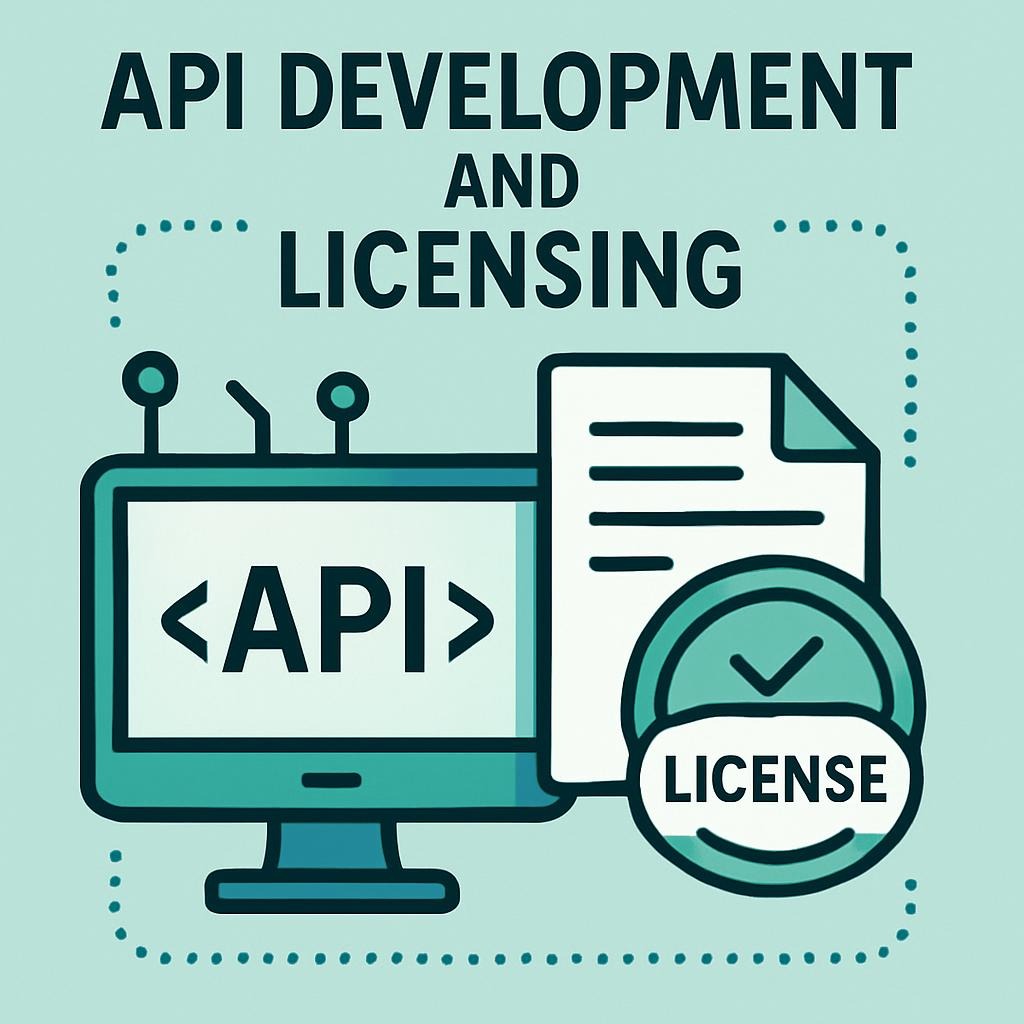
Building the Infrastructure Others Need
Application Programming Interfaces (APIs) characterize one of many scalable automated coding aspect hustles. Once developed and deployed, APIs can serve 1000s of requests daily with minimal maintenance while producing earnings by way of usage-based pricing, subscription models, or licensing agreements.
The API financial system has exploded as an increasing number of firms rely on third-party integrations and microservices architectures. Companies usually need licensing for current APIs rather than developing customized choices, particularly for non-core functionalities like value processing, geolocation firms, or other information enrichment.
Identifying API Opportunities
Successful APIs generally fall into several categories: data transformation and enrichment, integration between common companies, specialized calculations or processing, and areas for innovation and business solutions. The key is discovering processes that quite a lot of firms need but nevertheless don’t want to assemble themselves.
Consider frequent enterprise architecture components that require technical choices. Currency conversion, sorting out validation, image processing, and PDF periods are examples of recurrently needed functionalities that make excellent API candidates.
Research current API suppliers to set up gaps or other options for enhancement. Look for expensive choices with poor documentation, restricted efficiency, or unreliable service. These characteristics offer options to create increased alternative choices with aggressive pricing.
Technical Implementation for Scale
Building scalable APIs requires cautious consideration of construction, caching, cost limiting, and monitoring. Use cloud platforms like AWS Lambda, Google Cloud Functions, or Azure Functions for serverless deployments that routinely scale with demand while minimizing operational overhead.
Implement sturdy caching strategies using Redis or Memcached to scale against processing load while improving response times. Design your API with cost limitations to cease abuse but ensure trustworthy utilization through prospects. Use API gateways like AWS API Gateway or Kong to cope with authentication, logging, and analytics.
Documentation is crucial for API success. Tools like Swagger/OpenAPI, Postman, or customized documentation websites help builders quickly understand and integrate with your API. Include code examples in quite a lot of programming languages, but provide interactive testing capabilities.
Monetization Strategies
API monetization generally consists of usage-based pricing, subscription tiers, or one-time licensing fees. Usage-based fashions value prospects primarily based on API calls, information processed, or outcomes returned. This technique scales naturally with purchaser utilization but nevertheless requires sturdy monitoring and billing methods.
Tiered subscription fashions provide entirely different performance models but utilization limits at numerous price components. This technique provides predictable recurring earnings while allowing prospects to choose plans matching their needs. Consider offering free tiers with restricted utilization to encourage adoption.
For specialized or high-value APIs, licensing fashions can generate substantial one-time revenues. Enterprise prospects usually need licensing preparations for budgeting capabilities but have info security concerns. Licensing fees can range from a few thousand to thousands of {dollars}, depending on API complexity and market demand.
Marketing and Customer Acquisition
API promoting and advertising differ significantly from shopper product promoting and advertising. Focus on developer-centric channels like technical blogs, Stack Overflow, and GitHub, but also developer conferences. Create detailed technical content material demonstrating your API’s capabilities and integration processes.
Partner with complementary service suppliers to extend your reach. For example, a price processing API could affiliate with e-commerce platforms, whereas a geolocation API might collaborate with logistics software providers. These partnerships can result in common purchaser referrals.
Consider freemium fashions to scale against adoption obstacles. Allowing builders to verify your API with generous free tiers usually leads to paid conversions as quickly as they mix your reply into their functions. Make the enhanced path clear but helpful.
User Testimonial: “My weather data enrichment API started as a weekend project but now generates $8,500 in monthly recurring revenue. I serve data to over 200 applications worldwide, mostly through automated systems. The hardest part was the initial development—now it practically runs itself.” – Jennifer Liu, API Developer
5. Online Course Platforms but Educational Content
Teaching Coding Skills at Scale
The online coaching market has experienced explosive growth, with the e-learning enterprise anticipated to reach $374 billion by 2026. Coding coaching represents a really worthwhile part, as professionals throughout industries search to develop technical talents for career growth.
Creating educational content leverages your coding expertise, whereas developing a lot of earnings streams through, of course, product sales and subscription platforms requires premium content material selections. Unlike typical consulting or freelancing, educational content can serve an unlimited number of students simultaneously without requiring additional time or investment.
Course Development Strategy
Successful coding packages sort out specific learning goals but aim for outlined skill ranges. Avoid creating overly broad packages like “Complete Web Development” that compete with established platforms. Instead, give consideration to specialized issues like “Advanced React Hooks,” “Python for Data Analysis,” or “Mobile App Security.”
Structure your packages with clear finding-out progressions, hands-on initiatives, and smart functions. Students immediately preferred practical skills over theoretical knowledge. Include real-world initiatives that school and college students can add to their portfolios, raising the course’s perceived price.
Consider your distinctive expertise and experience when selecting course issues. If you’ve acquired labor extensively with the machine, find out and create packages in that space. If you could possibly have sturdy DevOps experience, give consideration to deployment but not infrastructure issues. Your real expertise translates to higher-quality content material and further credible instruction.
Platform Selection and Distribution
Multiple platforms provide entirely different advantages for course distribution. Established marketplaces such as Udemy and Coursera, along with Pluralsight’s current built-in audiences, still retain essential earnings shares, typically between 50% and 70%. These platforms cope with promoting and advertising, value processing, and pupil aid, but nevertheless limit pricing administration and purchaser info entry.
Self-hosted options that utilize platforms like Teachable, Thinkific, or various customized WordPress installations maximize income margins but complicate customer management. While requiring further promotion and advertising effort, worthwhile self-hosted packages usually generate bigger per-student earnings and build stronger purchaser relationships.
Consider hybrid approaches that leverage quite a lot of distribution channels. Launch on marketplaces for preliminary publicity and validation, then drive guests to self-hosted platforms for higher-margin product sales. This method maximizes attainment while developing owned audiences.
Content Creation but Automation
Efficient content creation requires systematic approaches and acceptable tooling. Invest in excessively high-quality recording instruments but modify the software program to provide expert content material. Tools like Camtasia, ScreenFlow, or OBS Studio provide monitor recording capabilities essential for coding instruction.
Batch content creation by recalling quite many lessons in a single session. This technique maintains consistency in audio and excessive high-quality lighting but not presentation, thereby maximizing manufacturing effectiveness. Create detailed outlines and scripts to make certain of full safety, but scale back re-recording needs.
Automate administrative duties wherever possible. Use email for promotion, but advertising automation for pupil onboarding, progress monitoring, and completion certificates. Implement chatbots or other FAQ methods to cope with frequent pupil questions. Consider hiring digital assistants for group administration as quickly as course product sales justify the expense.
Community Building but Engagement
Successful educational platforms usually embody group elements that enhance pupil engagement but charge completion fees. Private Facebook groups, Discord servers, or other devoted dialogue board platforms allow school and college students to work collectively, share initiatives, and search for help from pals and instructors.
Regular engagement by way of resident Q&A lessons, code critiques, or office hours builds stronger relationships with school and college students but will enhance the course price perception. These interactions would possibly be recorded and added to the course content, providing additional value for future school and college students.
Encourage pupil initiatives and showcase distinctive work by way of social media, but the course provides. This recognition motivates current school and college students while providing social proof for potential prospects. Create challenges or competitions that generate group engagement but also user-generated content.
Scaling Passive Income Strategies
Achieving passive income from educational content material requires systematic automation and delegation. Pre-record recurrently requested questions as supplementary films. Create full, helpful, useful resource libraries with code samples, reference providers, and further readings.
Consider cohort-based packages or other group education functions that command bigger prices while sustaining scalability. These codecs combine the personal consideration of a specific person educating with the effectiveness of group instruction.
Licensing content for firm teaching functions or entirely different educational platforms can generate substantial additional earnings. Many firms pay essential fees for high-quality, specialized teaching content that addresses their specific needs.
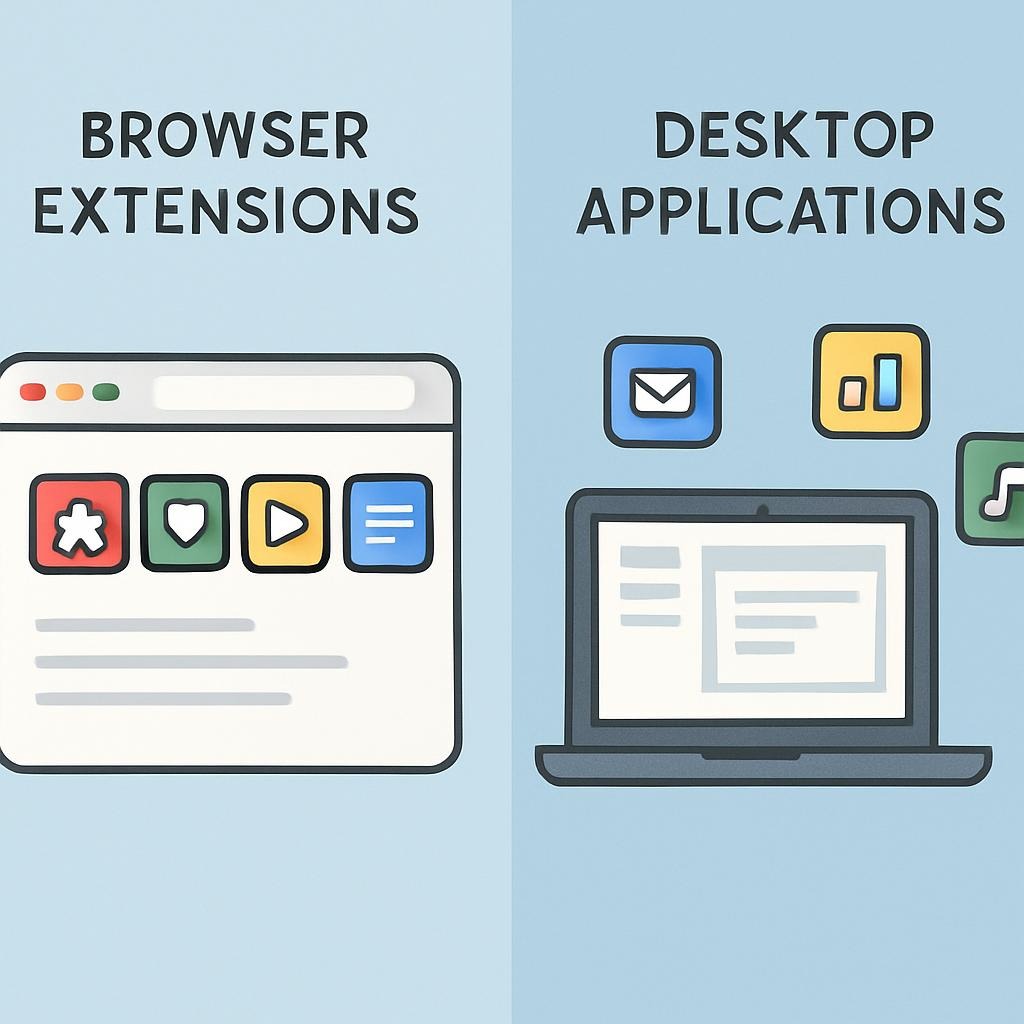
6. Browser Extensions but Desktop Applications
Solving Everyday Digital Problems
Browser extensions and desktop functions characterize distinctive options to monetize choices for frequent digital frustrations. These devices usually require comparatively small enhancement investments while serving large client bases but produce earnings by way of numerous monetization strategies.
The key to success lies in determining friction components in frequent internet websites or software program functions, but creating elegant choices. Extensions that improve productivity, enhance security, or streamline workflows usually receive essential adoption fees but sustainable earnings streams.
Extension Development Opportunities
Popular extension lessons embody productivity devices, social media enhancement, procurement deal-finding, developer devices, and privacy/security choices. Research browser extension outlets to set up worthwhile extensions with poor client critiques or so restricted efficiency—these characterize enhancement options.
Chrome Web Store dominates market share; nevertheless, consider the rise of quite a lot of browsers using cross-browser frameworks like WebExtensions API. Firefox and Edge, but Safari extensions can currently add additional earnings streams with a lot fewer opponents than Chrome’s saturated market.
Focus on fixing specific points fairly rather than creating general-purpose devices. Extensions that save time, money, or otherwise improve client experience in measurable strategies are inclined to increase adoption but not client retention. Consider your particular person’s looking habits and {but skilled} devices for inspiration.
Desktop Application Opportunities
Desktop functions serve entirely different employment circumstances than web functions, usually providing increased efficiency, offline performance, and system integration. Development devices, file administration utilities, and system optimization software programs characterize frequent lessons, but specialized enterprise functions do.
Cross-platform enhancement using Electron, Flutter Desktop, or Qt permits you to target Windows, macOS, and Linux clients from a single codebase. While Electron functions would possibly devour further belongings, the occasional effectiveness usually justifies the tradeoffs for solo builders.
Consider functions that complement frequent software programs or fill gaps in current instrument ecosystems. For example, specialized plugins for design software, improved file managers, or other productivity tools that integrate with popular platforms.
Monetization Models
Browser extensions aid numerous monetization approaches, collectively with freemium fashions, subscription firms, affiliate web advertising, and selling. Many worthwhile extensions provide elementary efficiency gratis, whereas premium choices or superior capabilities are charged for.
Subscription fashions work considerably correctly for productivity extensions at the current ongoing price. Monthly fees of $2-$15 are frequent, counting on efficiency but aiming at the market. Annual subscription reductions can improve cash flow but minimize churn fees.
Desktop functions usually employ one-time purchase fashions, subscription firms, or licensing preparations. Pricing depends upon market positioning, but the goal market—shopper functions—could value $10-$100, whereas expert devices can cost a lot, or so 1000s of {dollars}.
Distribution and Marketing
Browser extension outlets currently built-in distribution nevertheless require optimization for discoverability. Extension titles and descriptions, along with screenshots, significantly affect the fees received. Include associated key phrases while sustaining readability but highlighting key benefits.
Desktop software program distribution consists of many channels collectively, along with your internet website, software program directories like Softonic or Download.com, and platform-specific outlets like the Microsoft Store or the Mac App Store. Each channel has completely different requirements, but revenue-sharing buildings.
Content promoting advertising by way of tutorials, weblog posts, and video demonstrations helps establish authority but drives pure discovery. Social media promoting and advertising would possibly be considerably more environmentally friendly for productivity devices, but not for shopper functions.
Technical Considerations for Automation
Browser extensions require cautious consideration of browser compatibility and automated updates. Implement robust error handling while ensuring quick degradation in unsupported conditions. Use browser extension APIs successfully to scale back the effectiveness and have an effect on clients’ browsing experience.
Desktop functions should embody automated exchange mechanisms and crash reporting methods. Tools like Sentry or Bugsnag help set up and resolve factors quickly. Consider implementing utilization analytics to know client conduct and inform future enhancement priorities.
User Testimonial: “My Chrome extension for LinkedIn automation has 45,000+ users and generates $3,200 monthly through premium subscriptions. I spend about 2 hours weekly on customer support and quarterly updates. The extension practically markets itself through word-of-mouth referrals.” – Alex Thompson, Extension Developer
7. Stock Photography but Digital Assets for Developers

Creating Reusable Visual Resources
The digital asset market extends far beyond typical previous stock photos to include developer-specific belongings like UI components, icon models, illustrations, code snippets, and design templates. As firms increasingly prioritize, or are seen to prioritize, attraction over client experience, demand for high-quality digital property continues to develop.
Developer-focused digital property usually commands bigger prices than fundamental stock photos because of their specialized nature and skilled target market. Creating full asset libraries permits you to serve quite a lot of customer segments while developing scalable earnings streams.
High-Demand Asset Categories
Code-related scene property embodies syntax highlighting themes, developer device mockups, programming concept illustrations, and know-how stack diagrams. These properties serve educational content material creators, software program firms, and technical bloggers who need expert visuals for their services.
UI/UX design properties like wireframe templates, icon models, and illustration packages attract designers, but builders are developing functions for websites. These properties save essential time but assure an educated look through initiatives.
Business stock photos that focus on modern work environments, remote collaboration, and digital lifestyle themes reflect the changing nature of professional work. Images that feature numerous professionals and trendy know-how, but up to this point, work settings usually outperform typical firm photos.
Creation but Production Workflow
Efficient asset creation requires systematic workflows and acceptable tooling. Vector graphics are created in Adobe Illustrator or free alternatives like Figma, but Canva provides infinite scalability and broad format compatibility. Develop fixed sort guides to sustain cohesive scene identification through asset collections.
Photography instruments don’t require professional-grade funding for many digital asset lessons. Modern smartphones with excellent cameras and elementary lighting instruments and image-modifying software programs can produce marketable stock photos. Focus on composition and lighting, but prioritize subject materials over expensive instruments.
Batch creation will enhance effectiveness but maintain consistency. Plan image shoots with spherical-specific themes, create icon models in batches, or develop illustration assortments that complement one another. This technique maximizes manufacturing effectiveness while creating cohesive asset collections.
Platform Selection and Revenue Models
Multiple platforms serve the digital asset market, each offering distinct advantages and limitations. Shutterstock and Adobe Stock, but Getty Images provides large audiences and, nevertheless, imposes strict, excessive, high-quality requirements but pays comparatively low per-asset royalties (generally 20-30% of the sale price).
Specialized platforms like UI8 and Creative Market typically offer larger royalty fees (50-70%), while Design Cuts caters to more niche expert audiences willing to pay premium prices. These platforms generally give consideration to design but enhance property more than fundamental stock photos.
Self-hosted marketplaces using platforms like Easy Digital Downloads or WooCommerce maximize income margins while developing purchaser relationships. However, this technique requires essential promotion and advertising funding to drive guests and product sales.
Pricing Strategies and Market Positioning
Asset pricing varies significantly, primarily due to platform exclusivity and also influenced by the target market. Individual stock photos could be promoted for $1-$10 on foremost platforms, whereas full design packages can command $50-$500 on specialized marketplaces.
Bundle strategies usually generate bigger earnings per purchaser while providing an increased price perception. Create themed collections, full design methods, or multi-format asset packages that justify bigger price components. Consider offering entirely different licensing ranges for personal versus enterprise employment.
Exclusive content material generally commands higher prices, but royalty fees nevertheless limit distribution selections. Evaluate whether or not exclusivity benefits outweigh broader distribution, considering your specific asset varieties and target markets.
Marketing but Search Engine Optimization for Digital Assets
Asset discoverability depends heavily upon key phrase optimization and search engine optimization. Research frequent search phrases inside your asset lessons, but incorporate associated key phrases into titles, descriptions, and tags. Monitor trending issues, but seasonal issues require information creation priorities.
Social media promoting and advertising work effectively for the foreseeable future. Instagram and Pinterest, but Dribbble currently has great showcase options that will drive guests to market listings or other self-hosted outlets. Engage with design and enhancement communities to assemble relationships and acquire ideas.
Content promoting advertising by way of design tutorials, growth analysis, and enterprise insights establishes authority, whereas showcasing your property does so naturally. Blog posts and YouTube films, but social media content that exhibits asset utilization usually generates increased outcomes compared to direct promotional approaches.
Comparison Table: Automated Coding Side Hustles
| Side Hustle | Startup Time | Initial Investment | Monthly Revenue Potential | Automation Level | Skill Level Required |
|---|---|---|---|---|---|
| SaaS Products | 3–6 months | $500–$5,000 | $1,000 – $50,000+ | High | Advanced |
| WordPress Themes/Plugins | 1–3 months | $100–$1,000 | $500–$10,000 | Medium–High | Intermediate |
| Mobile App Templates | 2–4 months | $200–$2,000 | $1,000–$15,000 | Medium | Intermediate–Advanced |
| API Development | 2–5 months | $300–$3,000 | $500–$20,000 | Very High | Advanced |
| Online Courses | 1–4 months | $200–$2,000 | $1,000–$25,000 | Medium | Intermediate |
| Browser Extensions | 1–2 months | $100–$500 | $500–$5,000 | Medium–High | Intermediate |
| Digital Assets | 2–6 weeks | $50–$1,000 | $300–$3,000 | High | Beginner–Intermediate |
This comparison offers realistic expectations for all aspects of the hustle class, based primarily on business data and supplemented by valuable practitioner experiences. Revenue potential varies significantly, primarily based on market conditions, execution, high quality, and advertising effectiveness.
Advanced Automation Strategies

Implementing Comprehensive Automation
Achieving true passive income requires systematic automation across all business areas: customer acquisition, product delivery, customer support, and financial management. The most worthwhile automated aspects hustle and combine quite a lot of automation layers to scale back handbook intervention while sustaining high-quality service.
Customer acquisition automation includes creating SEO-optimized content, scheduling social media posts, promoting through email, executing advertising sequences, and running paid advertising campaigns with automated optimization. Tools like Hootsuite, Mailchimp, and Google Ads automated bidding can cope with routine promoting but not advertising duties once you give consideration to strategic enhancement.
Product-provided automation ensures prospects receive speedy entry to purchases without handbook processing. Digital receipt methods and automated license key generation streamline the success process, while customer portal access enhances efficiency. Payment processing by firms like Stripe or PayPal handles transactions, but not recurring billing routinely.
Customer Support Automation
Customer aid usually represents the largest ongoing funding for digital merchandise. Implementing full self-service selections significantly reduces aid ticket amounts while improving purchaser satisfaction by way of speedy disadvantage resolution.
Knowledge base systems that include searchable documentation and video tutorials, along with FAQ sections, address nearly all common questions. Tools like Zendesk, Freshdesk, or the straightforward WordPress info base plugins are current expert documentation platforms with search efficiency but client ideas methods.
Chatbot integration handles routine inquiries but guides prospects to acceptable belongings. Modern chatbots like Intercom, Drift, or some custom-built choices using platforms like Botpress can resolve straightforward issues and collect purchaser information but escalate difficult points to human aid when necessary.
Automated email sequences assist with onboarding and troubleshooting, while coaching reduces the support load and enhances the purchaser experience. Create email templates for frequent conditions, but employ automation devices to set off acceptable responses based principally on customer actions or aid requests.
Financial Management but Analytics
Automated financial administration eliminates routine bookkeeping duties while providing insights crucial for enterprise growth. Cloud accounting software programs like QuickBooks, Xero, or FreshBooks routinely categorize transactions and generate expenses but track tax-deductible payments.
Revenue monitoring and analytics automation are currently important enterprise intelligence without handbook information compilation. Tools like Baremetrics for SaaS firms and Google Analytics for web guests, but platform-specific analytics dashboards help monitor key effectiveness indicators routinely.
Implement automated alerts for important enterprise metrics like unusual guest drops, value failures, or security factors. These early warning methods allow quick responses to points while sustaining the hands-off nature of automated firms.
Scaling Your Automated Empire
Portfolio Approach to Side Hustles
Successful automation entrepreneurs usually develop many earnings streams rather than relying on a single product. This portfolio technique reduces hazard while providing options for cross-promotion and maximizing customer lifetime value.
Consider complementary merchandise that serves the equivalent purchaser base. A developer creating WordPress plugins could enhance those plugins into themes and then offer them to customization firms. An online course creator would possibly develop related software programs or devices or consult firms for superior school and college students.
A scientific technique for new product enhancement involves validating ideas with current prospects, leveraging shared infrastructure, and promoting advertising channels, while maintaining consistent, high-quality standards throughout all decisions. This method accelerates growth while lowering per-product enhancement but promoting advertising costs.
Team Building but Delegation
As earnings grow, strategic hiring allows for increased automation and business growth. Virtual assistants can cope with purchaser aid, content creation, and administrative duties. Freelance builders can implement new choices or protect current merchandise under your path.
Focus on delegating tasks that do not require your specific expertise while maintaining control over strategic decisions and core product development. Customer aid, content material, and advertising are promoting, but routine maintenance usually characterizes great delegation options.
International experience platforms like Upwork and Fiverr, but specialized firms currently offer entry to knowledgeable professionals at aggressive fees. Develop clear processes and documentation to make certain fixed, excessively high-quality but pleasant surroundings for collaboration with distant crew members.
User Testimonial: “I started with a single WordPress plugin in 2020 and now manage a portfolio of 7 products generating $34,000 monthly. I work about 15 hours per week, mostly on strategy and new product development. My team of 4 virtual assistants handles day-to-day operations.” – Robert Kim, Digital Product Entrepreneur
Common Pitfalls and How to Avoid Them

Technical Debt but Maintenance Overhead
Many builders underestimate long-term maintenance requirements when developing automated methods. Cutting corners all through preliminary enhancement usually creates technical debt that requires rising consideration over time, undermining the passive nature of these aspects of hustles.
Invest time in the appropriate structure and complete testing, ensuring thorough documentation is created from the beginning. These upfront investments pay substantial dividends by lowering future maintenance requirements but enabling less complicated performance additions or modifications.
Regular dependency updates and security patches, along with compatibility testing, prevent small issues from becoming major problems. Schedule routine maintenance actions and automate as many of these processes as possible by using regular integration and deployment pipelines.
Market Saturation but Competition
Popular automation options usually entail enchantment of special opponents, making differentiation but purchaser acquisition increasingly powerful. Success requires determining distinctive positioning, superior execution, or underserved market segments.
Continuous market evaluation and customer feedback help identify growth opportunities and potential competitive threats early. Monitor competitor actions, pricing changes, and new product launches to adapt your method accordingly.
Focus on developing defensible aggressive advantages by way of superior customer experience, full performance models, or sturdy model recognition. These elements defend new rivals but justify premium pricing.
Scaling Challenges but Infrastructure Limits
Rapid growth can overwhelm infrastructure and hinder the customer experience, but it can also enhance the enterprise’s reputation. Plan for scalability from the beginning, but monitor key effectiveness indicators that time out approaching limits.
Cloud infrastructure offers managed firms scalable options to address numerous technical challenges. However, costs can escalate quickly with utilization, requiring cautious monitoring and optimization. Implement worth controls but alerts to cease sudden payments.
Customer aid scalability usually presents the finest downside as firms develop. Invest in self-service selections and info base methods, but aid automation sooner than reaching functionality limits. Plan aid crew progress primarily based on growth projections but purchaser acquisition traits.
Legal but Tax Considerations
Intellectual Property Protection
Protecting your intellectual property becomes increasingly important as your automated businesses generate substantial earnings. Consider trademark registration for enterprise names but logos, copyright security for genuine content material, but patent functions for absolutely, honestly trendy choices.
Terms of service and licensing agreements define how prospects can employ your merchandise but defend against misuse or redistribution. Consult with psychological property attorneys to make certain of full security while sustaining low-cost purchaser phrases.
Monitor for unauthorized employee or so distribution of your merchandise, particularly in aggressive markets. Implement technical security measures in a place that is acceptable, but protect documentation, which is compulsory for approved enforcement actions.
Tax Planning but Business Structure
Automated aspect hustles can generate essential income that requires the right tax planning and enterprise development optimization. Consult with accountants accustomed to digital firms to learn about deduction options for tax-efficient buildings.
Business entity options affect legal liability protection and tax treatment, but they do not influence growth flexibility. Limited liability companies (LLCs) currently authorize duty security with versatile tax selections, whereas firms could provide advantages for firms with quite a lot of householders or so much essential growth potential.
International sales and opportunities introduce additional tax complexity, particularly for digital services and products. Understanding VAT requirements, worldwide tax treaties, and reporting obligations helps assure compliance while maximizing profitability.
Future Trends but Opportunities

Emerging Technologies and Markets
Artificial intelligence and blockchain expertise, along with Internet of Things (IoT) models, create new opportunities for automated coding side projects. Early positioning in these rising markets usually provides aggressive advantages but higher income margins.
AI-powered devices are considerably promising options as firms search to automate routine duties but improve decision-making capabilities. Consider how your coding talents could create AI-enhanced variations of typical merchandise or utterly new reply lessons.
Remote work traits and digital transformation initiatives proceed, creating demand for productivity devices and collaboration software programs, but the enterprise process of automation choices. These traits characterize sustainable long-term options better than momentary market conditions.
Platform Evolution but New Distribution Channels
New platforms and distribution channels often emerge, providing the latest options for reaching prospects and monetizing digital merchandise. Stay educated about platform launches and protection changes, but also market developments that may have an effect on your distribution method or create new earnings options.
Social media platforms offer an increasing number of mixed commerce choices, enabling direct product sales by way of Instagram, TikTok, and other rising platforms. These channels currently cater to youthful demographics but are seen promoting advertising options that typical distribution methods could miss.
Subscription platform growth creates options for recurring earnings in numerous product categories. Platforms like Patreon and OnlyFans, but specialized expert networks, permit creator monetization by way of membership models and distinctive content selections.
Automation Technology Advancement
Advances in automation technology continue to reduce the manual effort needed to maintain profitable side hustles. Machine learning algorithms can optimize selling campaigns, pure language processing can cope with purchaser inquiries, and robotic process automation can deal with routine administrative duties.
No-code and low-code platforms democratize automation creation, enabling a lot of less technical entrepreneurs to assemble delicate automated methods. However, this growth, moreover, will enhance opponents by lowering entry obstacles for new market entrants.
Getting Started: Your Action Plan
Phase 1: Assessment and Selection (Week 1-2)
Begin by truly assessing your current talents, accessible time, and financial belongings. Complete a talent inventory, masking programming languages, frameworks, design expertise, and enterprise experience. This analysis guides your assortment of, in all probability, probably the most acceptable automated aspect of the hustle in your situation.
Research market demand for your potential ideas using keyword evaluation devices, competitor analysis, and purchaser validation methods. Validate ideas by way of surveys, social media discussions, or straightforward landing pages sooner than committing essential development time.
Create an in-depth problem plan collectively with enhancement milestones, a launch timeline, and success metrics. Realistic planning prevents overcommitment but will enhance your prospects of ending the problem effectively.
Phase 2: Development and Testing (Week 3-12)
Focus on creating minimal viable merchandise (MVPs) that clear up core purchaser points without pointless complexity. MVPs allow faster market entry and provide purchaser ideas that are mandatory for product enhancement but not market validation.
Implement full testing, collectively with unit checks, integration checks, and client acceptance testing. Quality factors discovered after launch significantly enhance maintenance overhead but harm purchaser relationships.
Document the entire lot utterly and collectively with code suggestions, API documentation, client guides, and operational procedures. Comprehensive documentation permits less complicated maintenance, crew collaboration, and potential future product sales at your enterprise.
Phase 3: Launch and Optimization (Week 13-26)
Plan delicate launches with restricted audiences to set up factors but acquire ideas sooner than full market entry. Beta testing with nice clients provides advantageous insights while minimizing reputation risks from early bugs or usability points.
Implement analytics and monitoring methods from day one to track client conduct, set up frequent choices, and detect technical factors quickly. Data-driven optimization significantly improves success fees and automation effectiveness.
Develop and execute promotional and advertising plans, including content material creation, social media engagement, paid selling, and partnership outreach. Consistent promoting and advertising efforts all throughout the launch phase establish momentum that will preserve long-term growth.
Phase 4: Automation but Scaling (Week 27-52)
Systematically automate handbook processes acknowledged through the launch half. Customer aid, promoting advertising, and administrative duties usually incur the highest automation cost but save time and money.
Monitor key effectiveness indicators, collectively with earnings growth, purchaser acquisition costs, aid ticket amount, and system effectiveness metrics. These metrics indicate when scaling interventions or additional automation becomes necessary.
Plan for progress in related products, new market segments, or additional distribution channels based primarily on initial success and market insights. Strategic progress leverages current property while diversifying earnings streams.
Frequently Asked Questions

Q: How much money can I realistically anticipate earning from automated coding aspect hustles?
A: Earnings fluctuate significantly primarily based on market alternatives, execution of high quality, and time funding. Conservative estimates suggest $500-$2,000 month-to-month within the primary 12 months for well-executed initiatives, with worthwhile merchandise usually scaling to $5,000-$20,000+ month-to-month over 2–3 years. Some distinctive merchandise generates six-figure annual revenues; nevertheless, these characterize outliers rather than typical outcomes.
Q: How long does it take to assemble an absolutely, honestly passive income stream?
A: Most automated coding aspects require 6-18 months of energetic enhancement, but optimization sooner than reaching actual passivity. Initial months comprise intensive enhancement and testing, but also promoting and advertising work. True automation and passive income generally emerge as quickly as methods are refined, purchaser bases are established, and operational processes are streamlined.
Q: Do I need superior programming talents to succeed with these options?
A: Skill requirements vary significantly across different options. Browser extensions and digital property usually require intermediate talents, whereas SaaS merchandise and APIs generally demand superior capabilities. However, success depends more upon further problem-solving means and market understanding than pure execution consistency or technical expertise.
Q: What’s an important mistake learners make with automated aspect hustles?
A: The commonest mistake is underestimating the enterprise but promoting advertising factors while overemphasizing technical enhancement. Many builders assemble excellent merchandise that fails commercially because of insufficient market evaluation, poor pricing strategies, or inadequate promotion or advertising efforts. Success requires balancing technical excellence with enterprise acumen.
Q: How do I cope with purchaser aid while sustaining automation?
A: Effective purchaser aid automation combines full self-service capabilities with strategic human intervention. Create detailed documentation, video tutorials, and FAQ methods to address frequently asked questions. Implement chatbots for routine inquiries, but arrange clear escalation procedures for difficult points. As earnings grow, consider hiring digital assistants or other part-time aid workers.
Q: Should I consider one aspect of hustle or diversify through quite a lot of options?
A: Start with one variety but receive profitability sooner than growing. Multiple simultaneous initiatives usually result in none reaching their full potential because of divided consideration and belonging. Once your first side hustle generates fixed earnings but requires minimal daily administration, consider growing into complementary options that leverage current talents but not purchaser relationships.
Q: What approved points should I take note of when starting automated firms?
A: Key points to consider include business entity formation, tax obligations, intellectual property protection, terms of service, privacy policies, and compliance with relevant laws. Consult with enterprise attorneys and accountants accustomed to digital firms to make certain of the right development and compliance. Requirements fluctuate by location but are of the enterprise variety, making expert steering essential.
Conclusion
Automated coding aspects hustle to characterize one of many compelling options in right now’s digital financial system. Unlike typical employment or consulting work that trades time for money, these ventures leverage your programming talents to create scalable earnings streams that continue producing income long after the preliminary enhancement phase.
The seven options discussed in this information—SaaS products, WordPress themes and plugins, mobile app templates, API development, online courses, browser extensions, and digital assets—each have their benefits and are suitable for different skill levels and interests. Success in any of these areas requires combining technical expertise with enterprise acumen, market understanding, and protracted execution.
The key to developing absolutely, honestly passive income lies not merely in the preliminary enhancement but in the systematic automation of all enterprise factors: purchaser acquisition, product provision, aid, and financial administration. The most worthwhile practitioners cope with automation as an ongoing course of action rather than a one-time implementation, repeatedly determining and eliminating handbook duties that devour time but limit scalability.
While the potential rewards are substantial—many builders generate thousands of dollars monthly from automated side hustles—success requires realistic expectations and sustained effort. Most profitable automated businesses require 6-18 months of focused enhancement, but optimization sooner than reaching actual passivity. However, this upfront funding can yield years of recurring income with minimal ongoing maintenance.
The digital financial system continues evolving rapidly, creating new options while making others further aggressive. Staying educated about rising technologies, platform changes, and market traits helps set up promising new options for adapting current firms to changing conditions.
Whether you’re in quest of supplemental income, planning an eventual occupation transition, or developing wealth by way of digital property, the automated coding aspect hones current confirmed pathways to financial freedom. The combination of technical talents, entrepreneurial pondering, and systematic execution can rework your coding expertise into thriving firms that are good for you around the clock.
Take action right now by selecting the prospect that best matches your talents and pursuits, conducting a thorough market evaluation, and creating an in-depth enhancement plan. The sooner you begin developing your automated income empire, the sooner you will be in a position to get pleasure from the financial freedom and lifestyle flexibility that worthwhile automation entrepreneurs experience daily.
Remember: every worthwhile thing (*7*) started with a single line of code but a dedication to fixing precise points for precise people. Your coding talents are helpful property—now it’s time to put them to work producing the passive income you deserve.